


A new study by UNICEF Ghana and the Food and Drugs Authority (FDA) has uncovered alarming levels of lead contamination in everyday products commonly found in homes across the country. The findings expose a hidden but serious public health threat—especially to children and pregnant women, who are most vulnerable to the toxic effects of lead.
A Silent but Widespread Danger
The nationwide assessment, conducted across all 16 regions, tested a range of consumer products widely used in Ghanaian households. The results show that several popular items contain dangerously high levels of lead, a toxic metal for which no safe level of exposure exists.
According to the study:
-
Nearly 80% of traditional eyeliners such as kaji kaji and kholi contain harmful concentrations of lead.
-
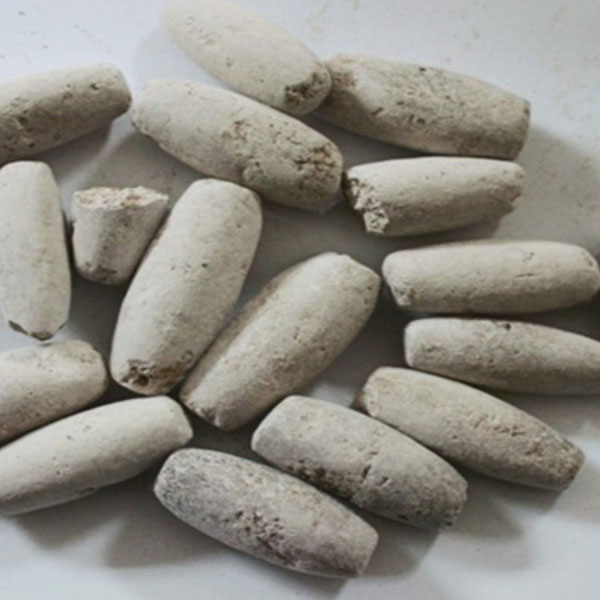
About 25% of white baked clay products (shire, ayilor, farinkasa), regularly consumed by pregnant women, tested positive for lead contamination.
-
Turmeric powder, a staple spice in many Ghanaian kitchens, showed contamination in over 42% of samples, with the highest levels detected in the Greater Accra, Central, and Bono regions.
-
Even corn-based cereals like Tom Brown contained lead in a notable number of samples.
-
The study also flagged possible contamination from old plumbing and cookware, which may leach lead into food and water.
Severe Health Risks for Children and Pregnant Women
Health experts warn that lead poisoning can cause irreversible damage, particularly in children. Exposure is linked to:
-
Lower IQ and learning difficulties
-
Developmental delays
-
Behavioural problems
-
Long-term organ and nervous system damage
For pregnant women, lead exposure increases the risk of anaemia, miscarriage, stillbirth, and low birth weight in infants.
UNICEF emphasizes that the effects of lead poisoning are lifelong, but the tragedy is that the condition is entirely preventable.
UNICEF Calls for Immediate Intervention
In response to the findings, UNICEF is urging a coordinated national effort to curb exposure and protect families. The organization is calling on government ministries, regulatory agencies, health professionals, and community leaders to take immediate action by:
-
Strengthening enforcement of product safety regulations to prevent contaminated goods from reaching consumers.
-
Raising nationwide awareness about the dangers of lead-containing products.
-
Enhancing routine health screening for children and pregnant women to detect exposure early.
-
Supporting safer production practices to eliminate lead from consumer goods altogether.
A National Responsibility
The study underscores an urgent truth: lead poisoning is a real and present danger, but Ghana has the power to prevent it. With stronger policies, vigilant regulation, and increased public education, thousands of children can be protected from lifelong harm.
As UNICEF Ghana puts it, the findings should serve as a wake-up call—and a reminder that safeguarding children’s health is a collective responsibility.