


> “Why do I love the way I do?”
> “Why do I pull away when things get too close?”
> “Why do I cling so tightly when I fear being left?”
> “Why do I feel safest when I’m in control—or completely alone?”
These aren’t just questions—they are confessions I’ve heard from many clients. And when I introduce them to attachment theory, something clicks. The puzzle pieces begin to fall into place.
Why Attachment Matters
Attachment isn’t just about romance. It’s about how we connect—with friends, family, partners, and even ourselves.
By the age of two, our early experiences with caregivers begin to shape how we relate to others. These early bonds influence:
– How we respond to closeness
– How we deal with distance
– How we express our needs
– How we handle conflict
– How we seek safety
Understanding our attachment style doesn’t excuse our patterns—but it does explain them. And that’s where healing begins.
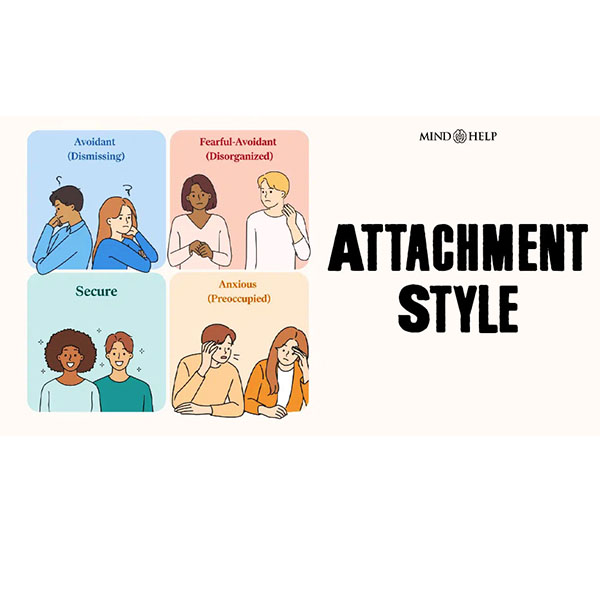
The Four Styles at a Glance
– Secure – You are comfortable with both intimacy and independence. You trust easily and communicate openly.
– Anxious – You crave closeness but fear abandonment. You may overthink, overgive, or feel easily rejected.
– Avoidant – You value independence and may struggle with vulnerability. You tend to pull away when things get intense.
– Fearful-Avoidant (Disorganised) – You long for connection but fear it too. You may swing between clinging and withdrawing.
These styles aren’t permanent—they are learned. And what is learned can be unlearned.
Patterns, Not Predictions
Your attachment style isn’t your fate—it’s your foundation.
It can help you:
– Recognise your emotional reflexes
– Understand your triggers
– Communicate your needs more clearly
– Set healthier boundaries
– Build safer, more fulfilling relationships
There is no shame in how you have learned to love. But there is power in growing and learning to love better.
How to Explore Your Style
Start with honesty—not performance.
– Take an attachment style quiz—but don’t stop at the label
– Reflect on your early relationships: What did love feel like growing up?
– Notice your reactions in close relationships: What makes you feel safe—or unsafe?
– Journal your emotional patterns: When do you shut down? When do you cling?
– Talk to a therapist or a trusted friend: Healing happens in safe connection
The goal isn’t to “fix” yourself. It’s to understand yourself—and grow from there.
Healing Begins with Awareness
When you understand your attachment style, you can:
– Stop repeating painful patterns
– Stop blaming others for your wounds
– Start choosing partners who feel safe—not just familiar
– Start showing up for yourself with compassion
You don’t need to become more lovable. You need to believe you already are but make it easier for healthy connections.
An Invitation for Healing
In 2026, let’s stop pretending we are fine when we are not.
Let’s be honest. Let’s be human.
Let’s explore our attachment with courage—not shame.
Let’s stop asking, “What’s wrong with me?”
And start asking, “What shaped me—and how can I grow?”
Because when you understand how you love, you stop settling for survival—and start building real connections.
Peace and healing to you.
You can take the test here:
https://www.attachmentproject.com/attachment-style-quiz/





Worth reading… ❤️