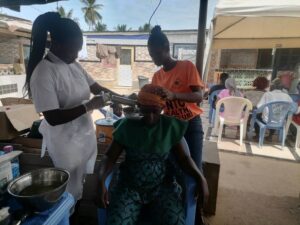


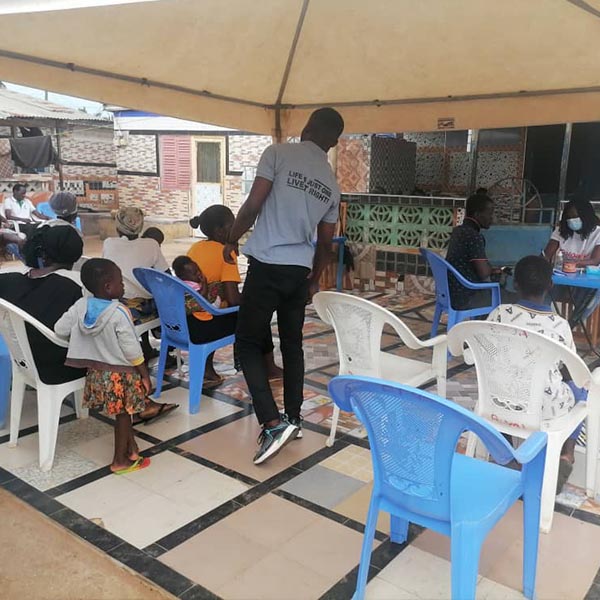
The Founder of the Psychiatric Nurses Training College (PNTC) Health Club, Ankaful, Samuel Nana Effah Obeng, has called on community members to show compassion and support for persons living with HIV and AIDS, stressing that stigma remains a major barrier to testing and early treatment.
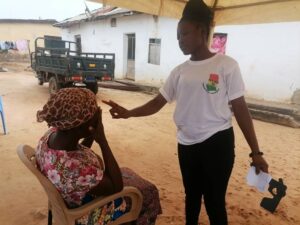
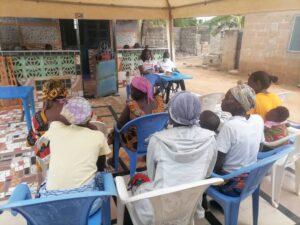
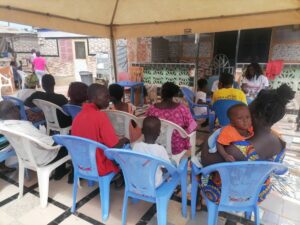
Mr. Obeng made the call during a free health screening exercise organised by the PNTC Health Club at Attabadzi, a suburb of Elmina, as part of the club’s ongoing commitment to community health promotion and disease prevention.
According to Mr. Obeng, findings from a quantitative research conducted by the PNTC Health Club within the community revealed widespread fear and hesitation among residents when it comes to HIV testing. He explained that many respondents cited stigma, social pressure, and fear of discrimination as key reasons for avoiding HIV status checks.
Out of 300 respondents surveyed, only 50 indicated willingness to test for HIV, while 10 were unsure. The majority, he noted, were either unwilling or not ready to check their status, a trend he described as worrying for public health efforts aimed at early detection and prevention.
Mr. Obeng further explained that even among those willing to test, decisions were often influenced by factors such as religious beliefs, perceived faithfulness in marriage, or personal abstinence from sexual activity. He cautioned that such assumptions reflect a narrow understanding of HIV transmission, as many respondents failed to consider other possible means through which the virus can be contracted.

“This perception creates a false sense of security and deepens stigma against those living with HIV,” he said, adding that fear-driven silence only fuels late diagnosis and preventable complications.
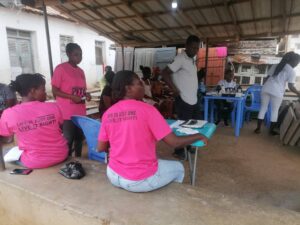
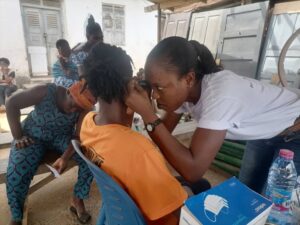
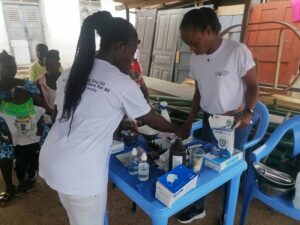
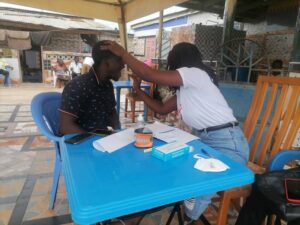
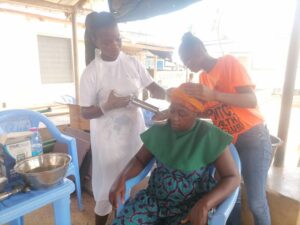
The free health screening exercise formed part of broader outreach activities by the PNTC Health Club and was conducted under the supervision of the Cape Coast Teaching Hospital and the Planned Parenthood Association of Ghana (PPAG), Cape Coast branch. Community members were screened for eye, ear and nose conditions, blood pressure, blood sugar levels, and breast health.
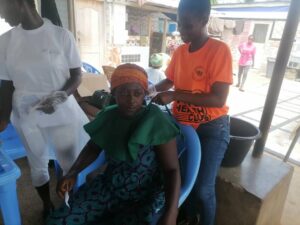
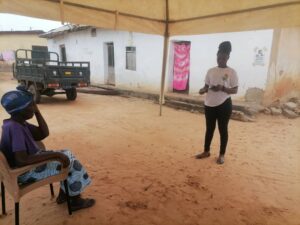
Health professionals at the event used the opportunity to educate residents on the importance of regular health checks, early testing, and supportive attitudes toward individuals living with chronic health conditions, including HIV.
Mr. Obeng emphasized that fighting HIV is not only a medical issue but also a social responsibility that requires empathy, accurate information, and community solidarity.
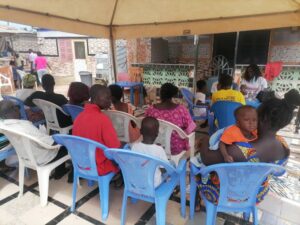
Advocates say initiatives such as the PNTC Health Club’s outreach are critical in breaking down fear and misinformation, and in building communities where seeking healthcare is encouraged rather than judged.
As Ghana continues efforts to reduce new HIV infections and improve health outcomes, stakeholders are urging traditional leaders, religious bodies, families, and individuals to play active roles in ending stigma and promoting inclusive, community-based health support systems.