
Some advocates are welcoming the government’s decision to allocate GH₵4.2 billion from the Ghana Education Trust Fund (GETFund) to finance Free Senior High School (Free SHS) and free tertiary education for persons with disabilities (PWDs). They say the policy has the potential to advance equity and inclusion in Ghana’s education system — but only if it is implemented transparently and effectively.
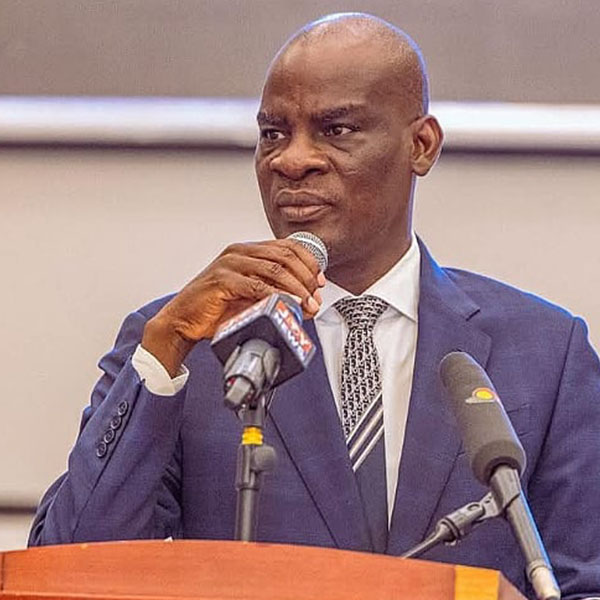
The announcement was made by the Minister of Education, Haruna Iddrisu, who clarified that GETFund will now shoulder the financial responsibility for Free SHS, free TVET services and infrastructure, and the rollout of free tertiary education for PWDs. This marks a historic shift away from reliance on petroleum revenue, which funded Free SHS between 2018 and 2024.
Speaking to the media on Wednesday, November 19, the Minister dismissed claims that the 2025 Budget lacked provisions for Free SHS.
“The Ghana Education Fund has been allocated 9.9 billion, including 4.2 billion earmarked for Free Senior High School and free TVET infrastructure and services. I’ve heard commentaries suggesting that there is no allocation for Free SHS. That is not practically possible,” he stated.
A Win for Equity, But Advocates Demand Safeguards
Civil society organizations working on education, disability inclusion, and youth development say the decision could be transformative if backed by responsible management and adequate oversight.
According to disability advocates, funding free tertiary education for PWDs addresses one of the biggest barriers to social and economic inclusion — the inability of many disabled students to afford higher education. They describe the allocation as a “progressive step” toward fulfilling Ghana’s commitments under the Persons with Disability Act and the UN Convention on the Rights of Persons with Disabilities.
Advocacy groups however warn that GETFund has, in the past, faced concerns about misallocation and underutilization of resources. They are urging Parliament to demand full transparency when the GETFund formula is presented, and to ensure that the funds reach the intended beneficiaries — especially students with disabilities who are often overlooked in policy implementation.
Call for Clear Implementation Framework
The Minister indicated that the Student Loan Trust Fund and the soon-to-be-established Ghana Scholarship Authority will collaborate on disbursements. Advocates say this makes it even more crucial for government to publish clear eligibility guidelines, timelines, and monitoring systems.
They also argue that free SHS will only be strengthened if the allocated funds adequately cover student feeding, infrastructure expansion, and TVET services — areas where schools frequently experience shortages.
Ensuring the Promise Reaches Students
While the GH₵4.2 billion allocation signals strong political will, education activists insist that Ghana must go beyond announcements and ensure real impact on the ground.
They have issued a strong call to:
-
track GETFund releases and expenditures
-
ensure PWDs face no bureaucratic barriers in accessing free tertiary education
-
prevent delays in student feeding and school supplies under Free SHS
-
involve civil society groups and disability organizations in monitoring and reporting
Advocates conclude that the shift in financing “must translate into tangible improvements in the lives of learners, not remain a budget line.”
As expectations rise, all eyes are now on Parliament to scrutinize the GETFund formula and on the Ministry of Education to prove that the new funding model can deliver equitable, inclusive and sustainably financed education for all.