


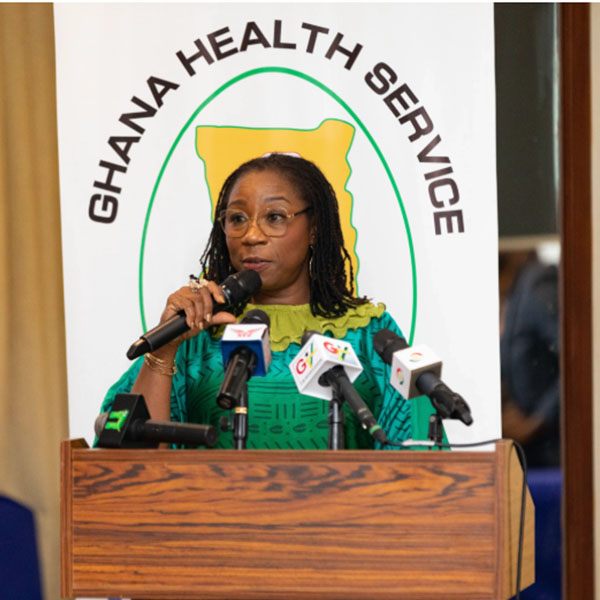
The Ghana Health Service (GHS) has officially reported a marginal increase in the maternal mortality rate in the country, according to a press release published on December 2, 2025 by the Ghana Health Service. Ghana Health Service
Maternal mortality refers to the death of a woman during pregnancy, childbirth, or within six weeks after delivery due to pregnancy-related complications. While global and national efforts have focused on reducing maternal deaths, GHS data now show that progress has stalled and slightly reversed in recent reporting. Ghana Health Service
A Small Increase With Big Implications
The press release from GHS highlights that the maternal mortality rate in Ghana has risen marginally in the latest reporting period compared with previous figures. Although described as a “marginal increase,” this trend signals that the health system’s efforts to protect pregnant women and mothers are not yet delivering the sustained improvements needed to save lives. Ghana Health Service
This development is particularly concerning as it comes at a time when Ghana, like many countries, is striving to meet the United Nations Sustainable Development Goal (SDG) target to reduce maternal mortality to less than 70 deaths per 100,000 live births by 2030. Maternal deaths continue to be a critical measure of a nation’s health system performance, affecting families, communities, and national development. Graphic Online
Why This Matters
Even a slight increase in maternal mortality represents real women and families who lose loved ones to preventable causes. Maternal deaths are often linked to complications such as severe bleeding, hypertensive disorders, infections, and delays in accessing emergency obstetric care — all of which can be mitigated with timely and high-quality maternal health services. PMC
The GHS press release underscores that continued monitoring, robust health interventions, and strengthened care systems are needed to reverse this trend and protect mothers across the country. Ghana Health Service
A Call to Action
Today, we stand with the Ghana Health Service in recognizing that maternal health must remain a top priority. Government agencies, health professionals, civil society, community leaders, and citizens must work hand-in-hand to:
✅ Expand access to quality prenatal and childbirth care
✅ Improve emergency obstetric and newborn care services
✅ Support health workers with training, resources, and infrastructure
✅ Strengthen data collection and response systems to prevent avoidable deaths
Every maternal death is one too many. Let us transform concern into action and accelerate efforts to ensure that every pregnancy and every birth in Ghana is safe, supported, and life-affirming.