


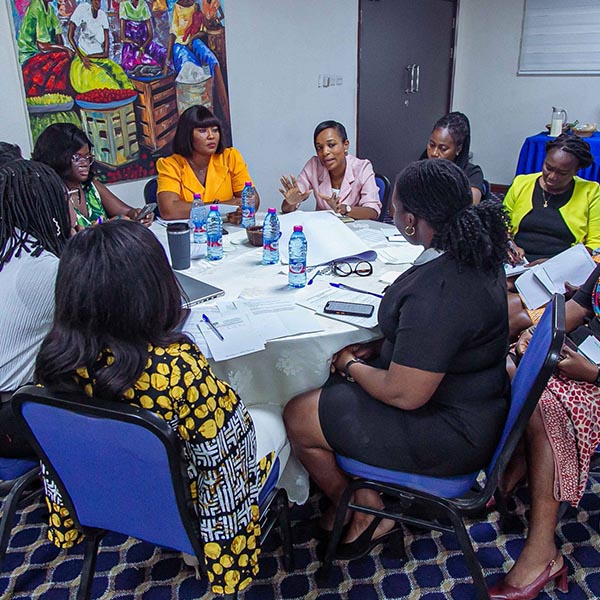
Ghana has renewed its commitment to end child marriage as the Child Marriage Unit of the Ministry of Gender, Children and Social Protection, in partnership with UNFPA and UNICEF Ghana, convened a high-level consultative meeting to review and update the National Strategic Framework on Ending Child Marriage.
The one-day meeting, held in Accra on Wednesday, 21 January 2026, brought together key stakeholders to assess progress made between 2017 and 2025, identify persistent gaps, and agree on priority actions needed to eliminate child marriage by 2030. The engagement was organised under Phase III of the UNFPA/UNICEF Global Programme to End Child Marriage.
The consultative session focused on gathering practical insights from frontline implementers on achievements, challenges, and lessons learned, while also examining implementation bottlenecks and systemic barriers that continue to expose children, particularly girls, to early and forced marriage.
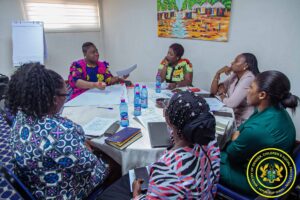
Speaking on behalf of the Chief Director of the Ministry, Dr. Afisah Zakariah, the Head of the Child Marriage Unit, Madam Saphia Tamimu, underscored that the National Strategic Framework represents Ghana’s firm resolve to protect the rights, dignity, and future of every child.
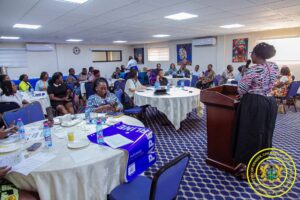
She highlighted notable progress in legislative and policy reforms, including the passage of the Affirmative Action Gender Equity Act, 2024 (Act 1121), the Social Protection Act (Act 1148), and the continued enforcement of the Children’s Act. According to her, these milestones have strengthened national efforts and improved understanding of the structural and social vulnerabilities driving child marriage.
“With only four years remaining to achieve Sustainable Development Goal target 5.3 on ending child marriage, it is critical that we review and update our strategic directions to respond to current realities and emerging risks,” she stated.

Representatives from UNFPA and UNICEF Ghana reiterated the need for evidence-based programming, strong coordination, and sustained partnerships to accelerate progress. They explained that Phase III of the Global Programme prioritises scaling up interventions that have proven effective, strengthening national and community systems, and amplifying the voices and leadership of adolescent girls as agents of change.

Participants engaged in extensive discussions on priority actions, implementation strategies, and coordination mechanisms within the framework. The consultative process created a platform for stakeholders to validate proposed interventions, share field-level experiences, and ensure that the revised framework aligns with national development priorities and the lived realities of girls most at risk.
As Ghana moves closer to the 2030 deadline, stakeholders agreed that renewed urgency, increased investment, and collective accountability are essential to end child marriage and secure a safer, more equitable future for all children.