


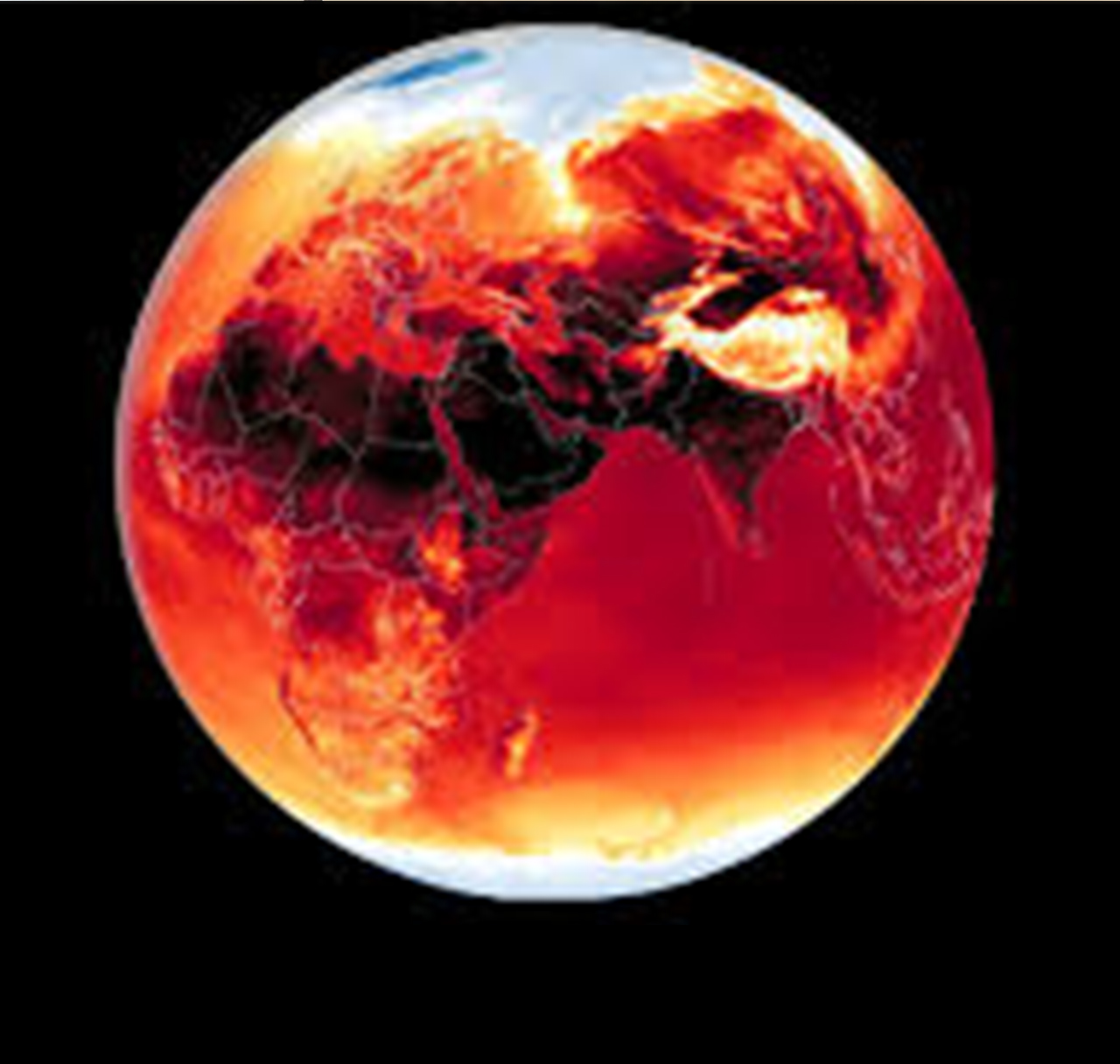
As extreme heat waves intensify across the globe, the HERA has launched a groundbreaking initiative—the Heat Science Hotline—to bridge the gap between science and urgent climate action.
The initiative, unveiled on April 1, 2026, comes at a time when extreme heat is increasingly being recognized as the world’s deadliest climate hazard, with far-reaching impacts on health, food systems, infrastructure, and economies.
Despite the growing threat, decision-makers and frontline communities often lack immediate access to practical, science-based guidance needed to respond effectively. The Heat Science Hotline seeks to change that by offering a free, rapid-response service connecting users directly to a global network of experts.
Founder and CEO of HERA, Kathy Baughman McLeod, described the situation as urgent and deeply concerning.
“We are in a global heat emergency, and the people working hardest to respond are doing so half-blindfolded,” she said. “The science exists. The expertise exists. The Heat Science Hotline makes both visible.”
A Lifeline for Policymakers and Communities
The Hotline is designed to support policymakers, journalists, donors, and community organizations by translating complex scientific knowledge into clear, actionable solutions tailored to local contexts.
From designing cooling infrastructure and early warning systems to identifying vulnerable populations and shaping policy proposals, the platform offers practical support when it is needed most.
What sets the initiative apart is its human-centered approach. Rather than relying solely on artificial intelligence, the Hotline connects users to a multidisciplinary board of experts—including professionals in public health, urban planning, climate science, and data analysis—ensuring that advice reflects real-world experience.
Centering Vulnerable Communities
At the heart of the initiative is a strong focus on vulnerability and lived experience. Factors such as gender, age, occupation, and geography are considered to ensure that solutions are equitable and inclusive.
This is particularly important in regions like Africa, where communities are already facing the harsh realities of climate change.
Betty Osei Bonsu Adjei of the Green Africa Youth Organization highlighted the significance of the initiative for the continent.
She noted that as youth-led climate action expands across countries including Ghana, Uganda, and Botswana, access to reliable scientific expertise will be critical in designing effective and responsive solutions.
Bridging the Gap Between Science and Action
Experts say one of the biggest challenges in climate response is turning knowledge into action—especially under pressure. The Hotline aims to close this gap by delivering fast, evidence-based insights that can inform real-time decisions.
Co-chair of the expert board, Neha Mankani, emphasized the importance of integrating frontline realities into policy decisions, particularly for vulnerable groups such as women and children.
Her counterpart, Gregory Wellenius, stressed that tackling heat-related challenges requires diverse expertise and perspectives to avoid gaps in planning and implementation.
A Call to Act Now
With extreme heat events becoming more frequent and severe, the launch of the Heat Science Hotline is being seen as a timely intervention—one that could help save lives, protect livelihoods, and strengthen resilience across communities.
As the climate crisis deepens, initiatives like this underscore a critical message: access to the right knowledge, at the right time, can make the difference between vulnerability and resilience.
source:www.heranow.org.