


The Ministry of Lands and Natural Resources has commenced a nationwide stakeholder engagement on a proposed Legislative Instrument (L.I.) aimed at operationalising Community Resource Management Areas (CREMAs).
The draft regulations are anchored in the Wildlife Resources Management Act, 2023, which provides the statutory framework for the protection, conservation and sustainable utilisation of wildlife resources in the country.
The engagement, being undertaken in collaboration with the Forestry Commission, seeks to build consensus on a comprehensive legal framework for the establishment, governance and management of CREMAs nationwide.

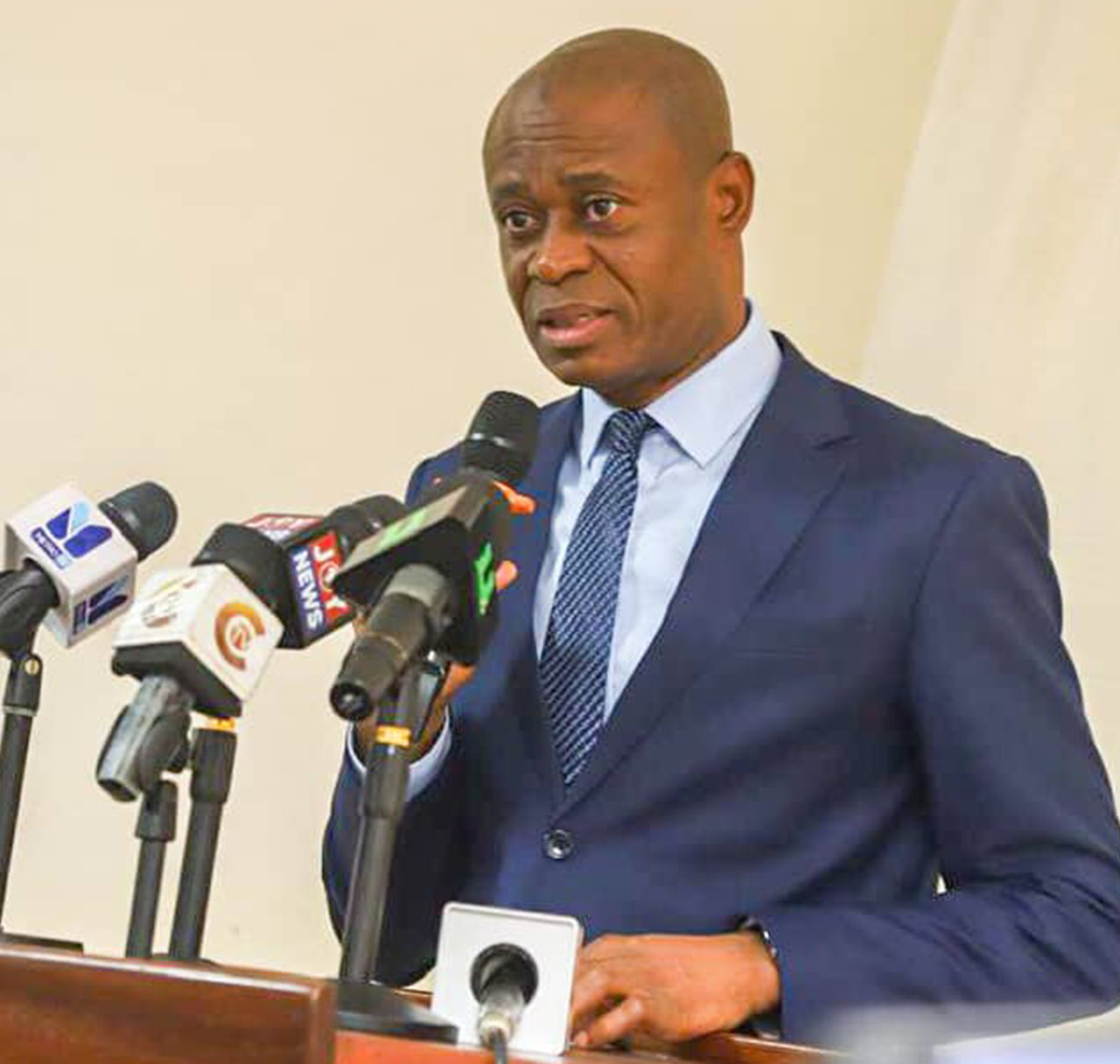
Delivering remarks on behalf of the sector Minister, Emmanuel Armah-Kofi Buah, the Deputy Minister, Yusif Sulemana, stated that the draft Legislative Instrument is intended to provide legal clarity, structured governance systems and enhanced accountability for CREMAs.
According to him, the proposed regulations outline clear procedures for the establishment, governance and formal recognition of CREMAs, while ensuring transparency and accountability in the management of natural resources.
He explained that the draft instrument also sets out criteria for the creation of CREMAs, including ecological significance, clearly defined land tenure arrangements, and the consent of District Assemblies and traditional authorities.
The Minister further expressed concern over persistent threats to biodiversity, noting that beyond illegal mining, illegal hunting continues to erode conservation gains and weaken ecological balance.
“Unregulated hunting is depleting wildlife populations and undermining ecological balance. Protecting our wildlife is not optional; it is a national responsibility,” he stressed.
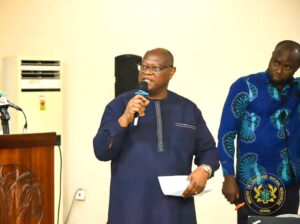
The Executive Director of the Wildlife Division of the Forestry Commission, Joseph Boakye, highlighted key challenges confronting community-based conservation, including habitat loss, weak enforcement and competing land uses.
He called on stakeholders to actively contribute to shaping a robust and inclusive regulatory regime that balances conservation objectives with local development and livelihood needs.
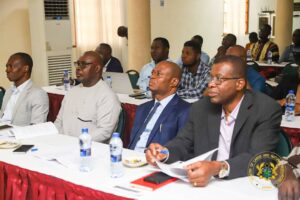
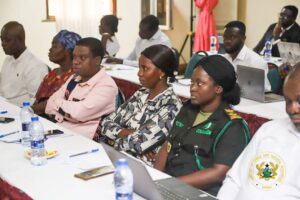
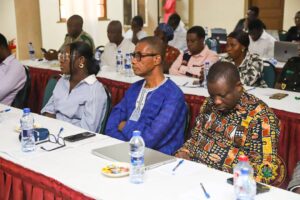
Participants in the engagement include representatives from Local Government Authorities, Traditional Authorities, community leaders, civil society organisations and other relevant government institutions, as the Ministry works toward strengthening community-led natural resource management across the country.