


Let me share something that still shakes me deeply. A young woman failed her exams for the very first time… and she took her own life. Why? Because she had been shielded all her life. Everything was provided, everything was smooth—no bumps, no bruises, no heartbreaks. She never had to wrestle with disappointment. So when life finally threw her a curveball, she didn’t know how to swing.
Now, compare that to the life we knew. My father was a mining engineer, which meant we lived in secluded residential areas. Even so, we grew up in a community where life was raw and real. We played games with real people—sometimes we won, sometimes we lost. We got teased, we got disappointed, we got laughed at. Some boys proposed and were turned down flat. Me? I was too timid to even try, so I sat nursing my broken heart while the girl I liked was being toasted by someone bolder.
We messed up a few times and got disciplined for it. We experienced Newton’s third law of motion in real life—every action had a reaction. That taught us to approach life with cautious optimism, knowing that every choice carries consequences. Painful? Yes. But we survived.
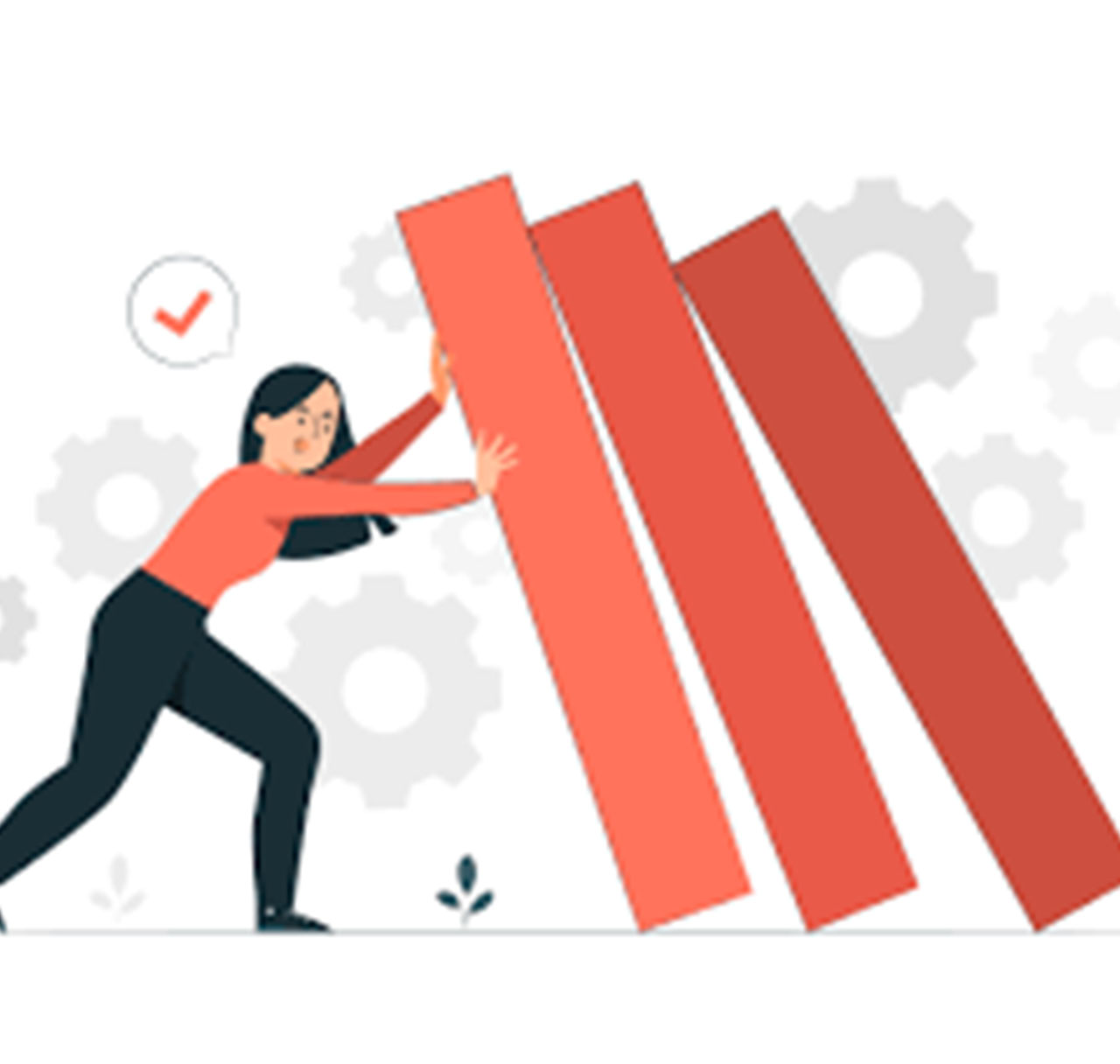
And in surviving, we discovered something priceless: resilience. That seed, watered by struggle and nurtured by hope, grew into strength. Life has its highs and lows, and the road will never be perfectly smooth. But here is the truth: resilience is not born in comfort—it is forged in the fire of challenges. It is the ability to bounce back when life knocks us down, to adapt to change, and to keep moving forward even when the road feels uphill both ways. It’s not about avoiding pain—it’s about rising stronger after the fall.
Why Do Some People Lack Resilience?
– Overprotection in childhood
– Negative self-beliefs
– Isolation from real life
– Unrealistic expectations
– Unhealed trauma
The Consequences of Lack of Resilience
– Emotional fragility
– Avoidance of challenges
– Poor mental health
– Dependency on others
– Limited or stagnated growth
How Do We Build Resilience?
In Ourselves
– Laugh at failure—it’s a teacher in disguise
– Practice gratitude—count what you have, not what you lost
– Solve problems creatively—don’t just complain, think solutions
– Build strong relationships—friends and mentors are lifelines
– Find meaning—faith, purpose, or something bigger than yourself
In Children & Mentees
– Let them struggle safely—don’t remove every obstacle
– Encourage reflection—ask, “What did you learn?” after setbacks
– Model resilience—show them how you handle disappointment
– Celebrate effort—not just success
– Teach emotional regulation—help them name and manage feelings
March Forward
So let us cultivate resilience in ourselves and plant its seeds in our children and mentees. Because resilience is the bridge between struggle and triumph, between despair and hope, between falling and rising again.
And remember: the road of life is full of potholes. Don’t curse the potholes—thank them. They’re the reason you learned how to drive cautiously.