


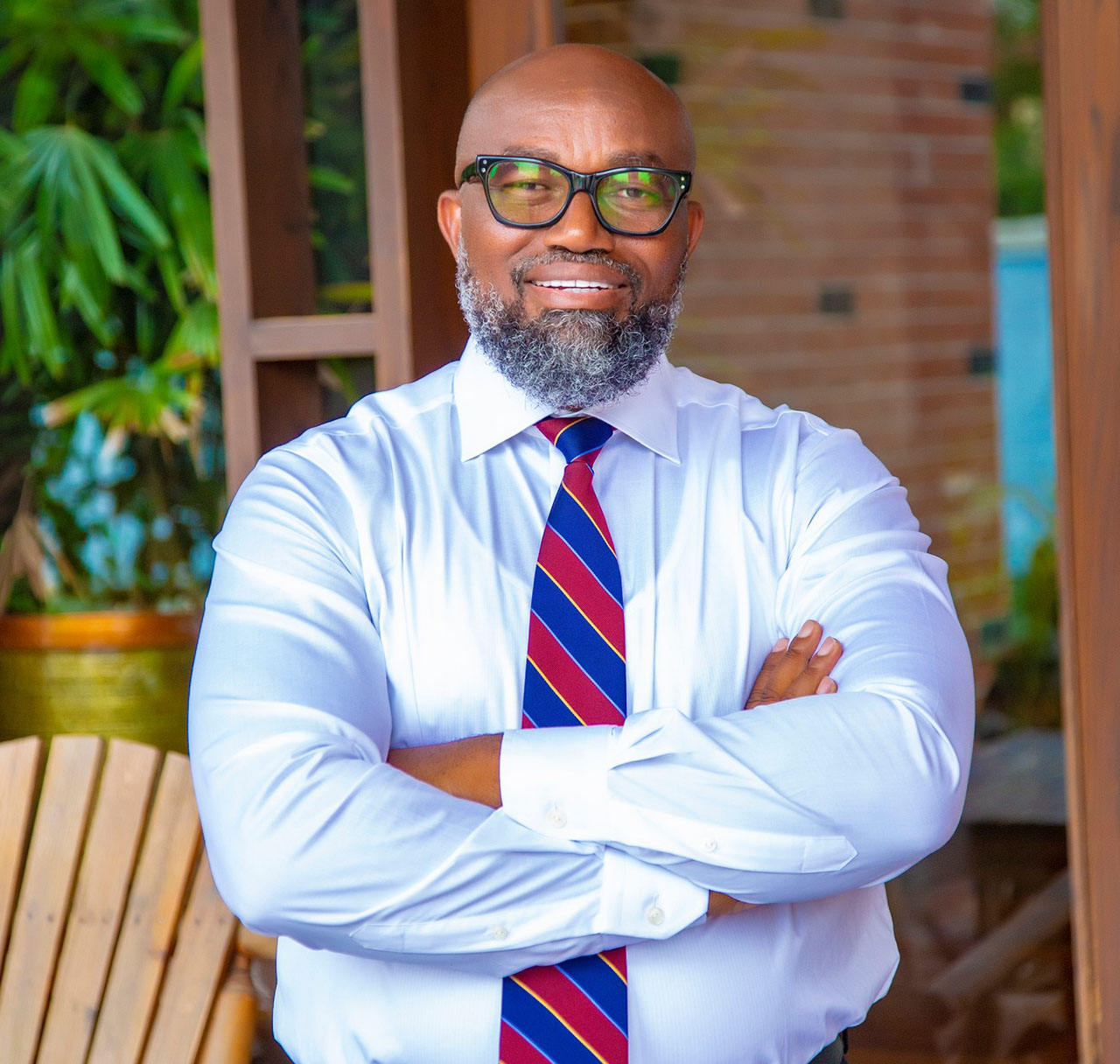
A fresh wave of conversation around entrepreneurship in Ghana has been ignited by business leader Daniel McKorley, who is urging young people to rethink the popular narrative that everyone must start a business.
In a reflective post shared on his Facebook page, the McDan Group founder challenged what he describes as an “over-glorified” view of entrepreneurship—calling for a more realistic, structured, and self-aware approach to business.
A Voice Backed by Experience
Dr. McKorley is not speaking from theory. As the Executive Chairman of the McDan Group, his business footprint spans logistics, aviation, shipping, and real estate, with subsidiaries such as McDan Aviation and McDan Shipping Company playing key roles in Ghana’s private sector growth.
Over the years, he has built a reputation not just as a businessman, but as a mentor and advocate for youth development, often emphasizing discipline, resilience, and strategic thinking in enterprise.
His latest message fits squarely within that philosophy—but with a more cautionary tone.
Challenging the “Everyone Must Hustle” Culture
According to Dr. McKorley, the idea that entrepreneurship is for everyone may sound empowering, but it often ignores critical realities:
- Limited access to capital
- Personal energy constraints
- Lack of support systems
- Low tolerance for risk
Rather than pushing people blindly into business, he encourages intentional decision-making, grounded in self-assessment.
The Four Hard Questions Before Starting a Business
In his post, he outlines four key areas every aspiring entrepreneur must evaluate:
1. Do You Truly Have the Time?
Entrepreneurship, he stresses, is not a side activity—it demands 15 to 20 hours weekly, often alongside existing responsibilities.
He challenges individuals to assess:
- Whether they can sacrifice comfort and leisure for up to two years
- Whether they can sustain deep, focused work sessions
- Whether their physical and mental capacity can handle the pressure
2. Do You Have Financial Runway?
Drawing from real business realities, Dr. McKorley highlights a major cause of failure: running out of money too soon.
He advises:
- Building 3–6 months emergency funds
- Preparing for 6–12 months without income
- Understanding startup and operational costs
This aligns with broader industry concerns in Ghana, where many startups struggle due to under-capitalization and poor financial planning.
3. Do You Have the Energy and Mental Strength?
Beyond money and time, he points to an often overlooked factor—personal endurance.
Entrepreneurship requires:
- Long-term consistency, not short bursts
- Emotional resilience in the face of failure
- The ability to make decisions under uncertainty
For Dr. McKorley, this is where many underestimate the journey.
4. Do You Have the Right Support System?
He also underscores the importance of social and emotional backing, noting that entrepreneurship affects not just the individual, but their family and close network.
Key considerations include:
- Honest conversations about financial and lifestyle changes
- At least one strong believer in your vision
- Willingness to say “no” to distractions and expectations
A Balanced Advocacy: Not Anti-Entrepreneurship, But Pro-Preparedness
Importantly, Dr. McKorley is not discouraging entrepreneurship. Instead, he is advocating for clarity over hype.
His message resonates strongly in Ghana’s current environment, where:
- Youth unemployment is pushing many toward self-employment
- Social media often glamorizes business success without showing the struggle
- Support systems for startups are still evolving
Why This Conversation Matters Now
As Ghana continues to promote private sector growth, voices like Dr. McKorley’s provide a necessary reality check.
His position reframes entrepreneurship as:
- A deliberate journey, not a default option
- A long-term commitment, not a quick escape
- A personal calling, not societal pressure
Conclusion
Dr. Daniel McKorley’s message is clear:
Entrepreneurship is powerful—but it is not for everyone, and it should never be entered blindly.
For those who feel called to build, his checklist offers a practical roadmap. For others, it offers reassurance that success can also be found outside business ownership.
In a landscape filled with noise and pressure to “hustle,” this may be the grounded perspective many young Ghanaians need right now.