


As climate change tightens its grip on African agriculture, smallholder farmers—who produce the bulk of the continent’s food—are facing a crisis of survival. Prolonged droughts, declining soil fertility, deforestation, and rising input costs are eroding livelihoods and threatening food security. In Zambia, these challenges have reached a breaking point.
During the 2023–2024 farming season, a prolonged dry spell forced the Zambian government to declare a national drought, affecting more than 84 districts and damaging over 1.1 million hectares of farmland. At the same time, Zambia continues to rank among the highest in Africa for deforestation, accelerating land degradation and climate vulnerability
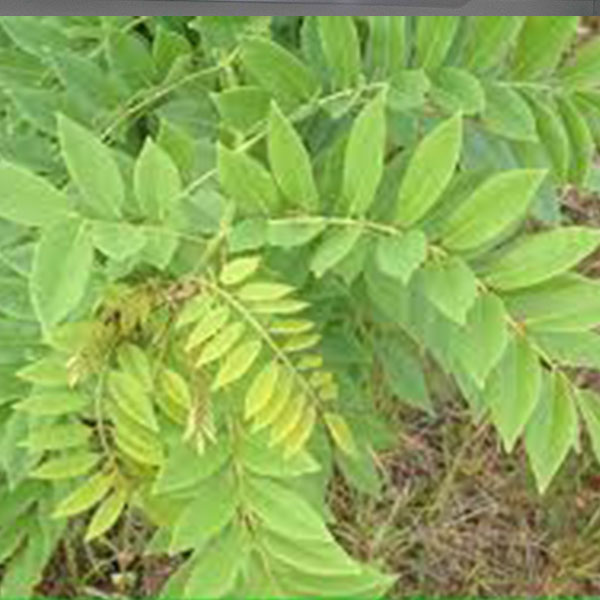
Yet amid this crisis, a simple, nature-based solution is quietly restoring hope in farming communities: Gliricidia sepium.
Farming With Nature, Not Against It
For decades, over-reliance on chemical fertilizers and rain-fed agriculture has delivered diminishing returns for farmers while worsening environmental damage. In response, government institutions and environmental organizations are now championing a basket of sustainable practices collectively known as “farming with nature.”
At the heart of this approach is agroforestry—the integration of trees into farming systems to restore soil health, protect crops, and improve resilience. One tree, in particular, has proven transformational: Gliricidia sepium
As a nitrogen-fixing tree, Gliricidia naturally replenishes soil nutrients. Its leaves decompose quickly, enriching the soil and delivering crop yields comparable to those achieved using chemical fertilizers—at a fraction of the cost. For farmers, this means higher productivity without expanding farmland or sinking deeper into debt.
A Tree That Feeds Families and Protects Forests
Beyond soil fertility, Gliricidia provides renewable fuelwood, reducing pressure on natural forests and cutting back on charcoal production. Because the tree regrows after cutting, it offers a sustainable alternative to indiscriminate tree felling—a major driver of deforestation and biodiversity loss.
Environmental NGOs such as Community Markets for Conservation (COMACO) and the Green Living Movement are working with hundreds of thousands of farmers across Zambia to promote Gliricidia as part of climate-smart agriculture systems. Through training, awareness creation, and farmer-to-farmer learning, communities are discovering that conservation and productivity can go hand in hand
Farmers Speak: “This Tree Changed Our Lives”
In Zambia’s Eastern Province, farmers practicing agroforestry are already seeing dramatic results.
Smallholder farmer Josephine Tembo explains that before adopting Gliricidia, she relied heavily on expensive fertilizers just to secure modest yields. Today, even with minimal fertilizer use, her harvests are higher, her soil healthier, and her household less dependent on forest firewood.
Another farmer, Gloria Phiri, calls Gliricidia a “farmer’s all-weather friend.” From shade and fuelwood to improved yields and reduced pressure on nearby wildlife habitats, she describes the tree as both an environmental safeguard and an economic lifeline for rural households
Their testimonies reinforce a critical truth: sustainable agriculture is not theoretical—it is already transforming lives.
A Call to Action for Policy Makers and Partners
As climate shocks intensify, scaling up agroforestry solutions like Gliricidia sepium is no longer optional—it is urgent.
Governments must:
-
Integrate agroforestry into national climate and food security policies
-
Invest in farmer education and extension services
-
Support NGOs and community-led conservation initiatives
Development partners and donors must:
-
Fund nature-based solutions that deliver both climate and livelihood benefits
-
Prioritize smallholder farmers as frontline climate actors
And farmers themselves must be empowered to lead—as custodians of the land and champions of sustainable practices.
Planting Today for Tomorrow
Gliricidia sepium is more than a tree. It is a symbol of resilience, a tool for climate adaptation, and a pathway to food security. By embracing farming with nature, communities are proving that it is possible to feed families, restore ecosystems, and fight climate change—one tree at a time.
The solution is growing. The time to scale it is now.
For further details and enquiries, contact: neoreportgh@gmail.com
#justcommunicate
#Farmradiointernational