


It was the eve of Valentine’s Day. I retired into my car after a long, exhausting day—the ignition off, windows slightly open to welcome the cool night air. The silence was soothing, almost romantic in its own way. I leaned back, ready to let the night cradle me into a brief nap.
Then came the interruption. A group of male students gathered near my car, unaware of my presence. Their voices carried excitement—juicy, mischievous, almost theatrical. I couldn’t resist listening in.
They were plotting. One of them had his eyes set on a female student, a girl they claimed was “playing hard to get.” The others, like generals on a battlefield of desire, shared their strategies—boasting of past conquests, of hearts and beds won, urging him to prove his manhood. Their laughter was bold, their confidence unshaken.
I listened, half amused, half unsettled. Their bravado made me wonder, for a fleeting moment, if me taking one permanent roommate was not sacrilegious enough and whether my lifelong choice to be a one-woman man was somehow a disgrace to manhood. I almost felt tempted to join the “fallen angels” to cure my sense of naivety. But before my thoughts could drift further, my hand accidentally pressed the horn, startling them away.
That moment left me thinking: Why were these young men so fixated on sex? Was it just a physical act to them—or something layered with psychological, emotional, social, and even spiritual dimensions?
The Psychosocial Effects of Sex
– Emotional Bonding : Sex can be a bridge to intimacy, trust, and vulnerability. It can deepen love, but when unreciprocated, it can leave one stranded in emotional dependency.
– Identity Formation : Our sexual experiences shape how we see ourselves. A tender, respectful encounter can affirm self-worth, while a careless or exploitative one can scar confidence.
– Social Dynamics : Society often wraps sex in layers of morality, religion, and expectation. When these norms are flouted, pleasure can turn into guilt, secrecy, or stigma—echoing into future relationships.
– Mental Health Impact : Healthy intimacy can ease stress and bring joy. But unhealthy or coerced encounters may sow seeds of anxiety, depression, or trauma.
– -Love distortion : The thrill of reckless intimacy leaves scars we mistake for love, breeding dysfunction that lingers. Those partners rarely stay, and when true commitment finally arrives, our broken patterns make it hard to value or return genuine love—so secret infidelity becomes the shadow we carry.
– Sexual Imprint : Every sexual experience leaves marks—like fingerprints on the soul. They shape desires, expectations, and emotional responses. A nurturing first encounter can set the tone for healthy intimacy, while a negative one may distort how we attach, love, or trust.
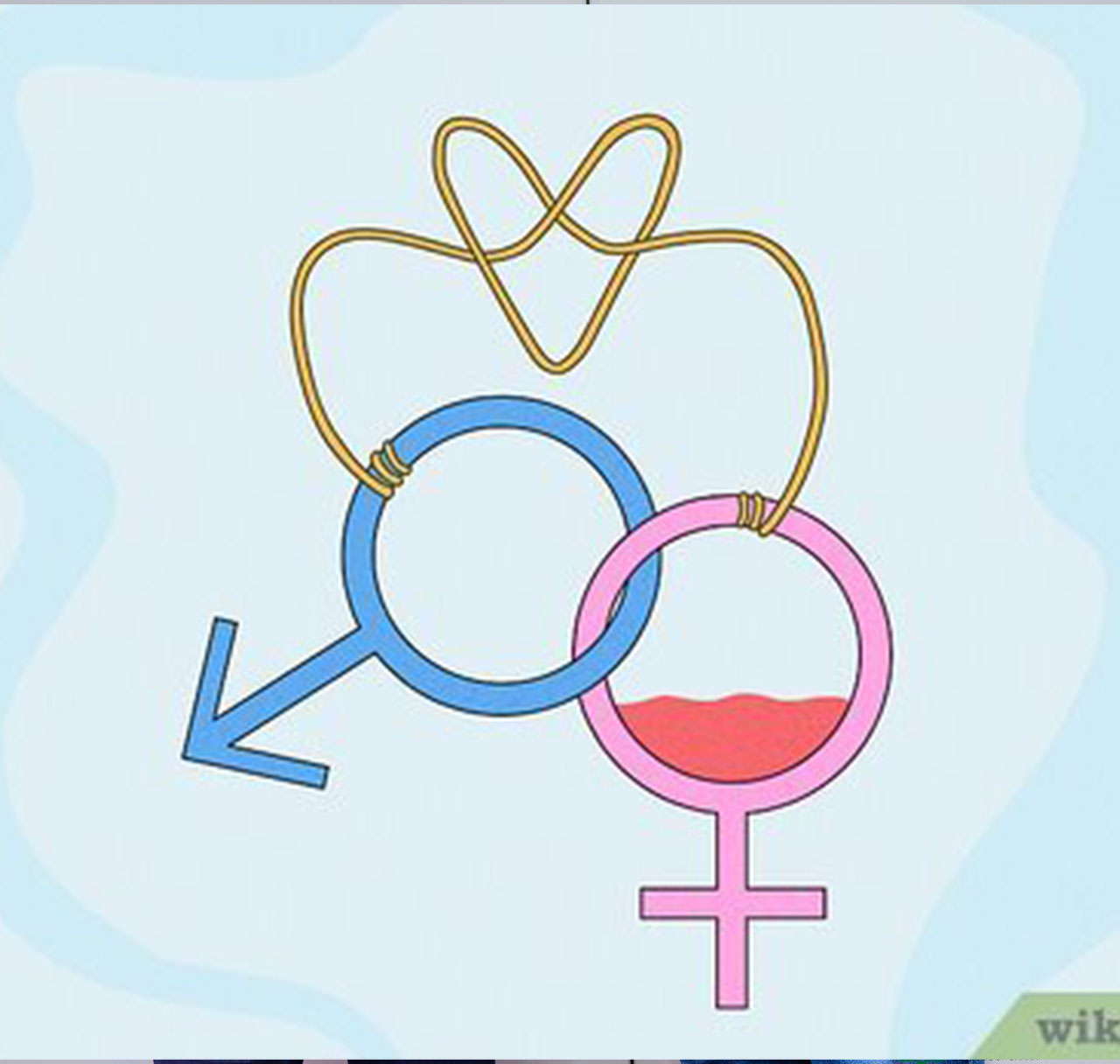
– Soul Ties : Then there is the mystery of soul ties—an invisible thread binding two people beyond the physical act. Many describe it as a spiritual bond, lingering long after the relationship ends. It can influence emotions, decisions, even future relationships. Sometimes it feels like carrying a piece of someone with you, whether you want to or not. This can deeply affect intimacy, sexuality, and even the stability of marriage.
Pause for Reflection
Science may not fully embrace terms like sexual imprint or soul ties, but lived experience often does. Sex leaves traces—on the body, mind, and spirit. It is never truly casual, even when intended to be.
Sex can heal or harm, liberate or entangle. It is powerful, and with power comes responsibility. To approach intimacy without reflection is to play with fire—sometimes warming, sometimes burning.
So, as Valentine’s Day approaches with its promises of roses, chocolates, and whispered invitations, perhaps pause for a moment. Behind the laughter, the romance, and the thrill lies a truth: intimacy is not just about tomorrow night. It is about the echoes it leaves into the future.
A story that began with overheard laughter ends with a quiet reminder: love and sex are not games of conquest, but journeys of connection. And every journey deserves mindfulness, respect, and care.