


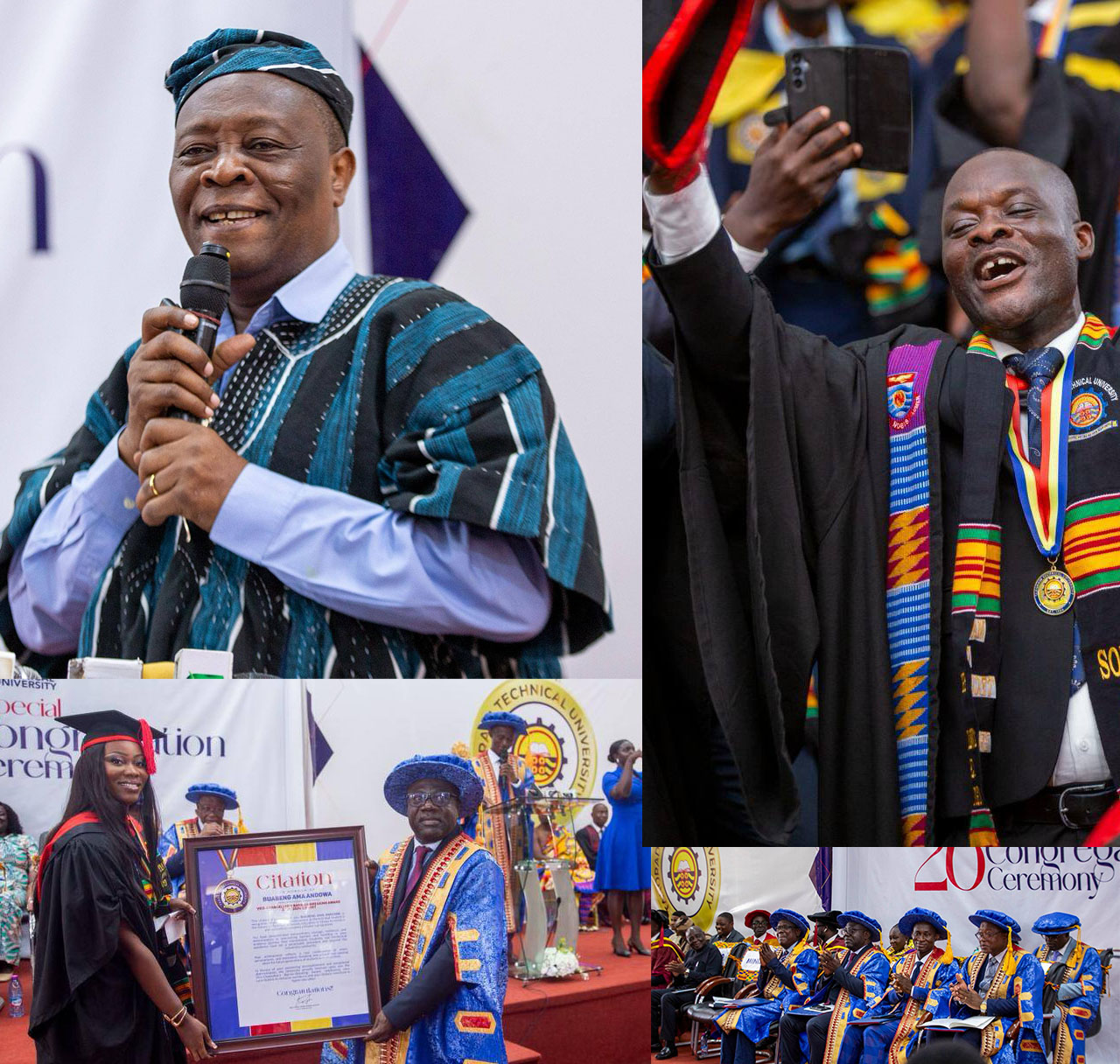
A powerful story of resilience, opportunity, and progress unfolded at Takoradi Technical University as the institution received national commendation for breaking barriers in higher education.
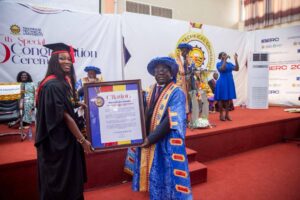
At the centre of the celebration is Andowa Ama Buabeng, who has made history as the first deaf student in Ghana’s technical university system to successfully complete a Master’s degree, earning her qualification in Graphic Design. Her achievement has been widely hailed as a defining moment for inclusive education in the country.
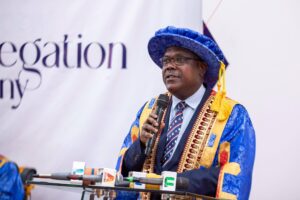
Speaking on behalf of the Ministry of Education, Technical Adviser George Kweku Toku Oduro described the milestone as a “truly barrier-breaking achievement” that reflects both personal determination and the transformative power of education.
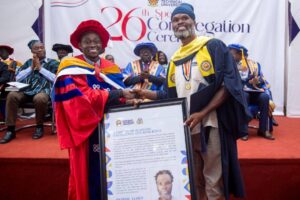
He emphasized that the success aligns with government’s commitment to inclusive education, highlighting interventions such as the Free Tertiary Education policy for Persons with Disabilities, which is already making a meaningful impact by removing financial barriers and expanding access.
Beyond the historic milestone, Takoradi Technical University was also praised for its growing academic reputation, including being ranked the top technical university in Ghana in the AD Scientific Index 2025. The institution’s stable academic environment and strong leadership were cited as key drivers of its success.
For many, however, the story goes beyond rankings—it is about equity, access, and opportunity.
A Call for Inclusive Education
The achievement of Andowa Ama Buabeng is more than a personal victory—it is a national call to action. It underscores the urgent need to create learning environments where no student is left behind, regardless of physical ability.
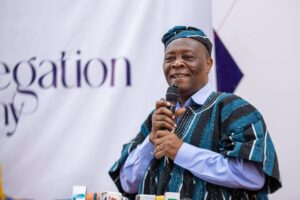
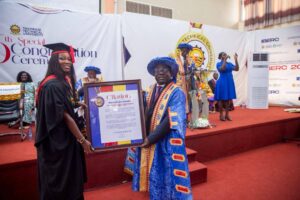
University leadership reaffirmed their commitment to inclusivity, noting that since establishing a dedicated support unit in 2018, over 173 students with disabilities have benefited from targeted interventions. These include scholarships, assistive technologies, sign language training, and flexible learning systems—all designed to ensure equal participation.
Vice-Chancellor John Frank Eshun reiterated the institution’s dedication to producing skilled graduates while maintaining a strong focus on accessibility and innovation.
Education as a Tool for National Development
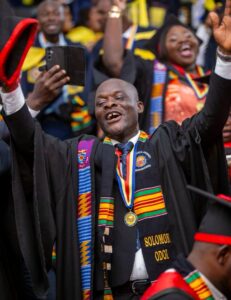
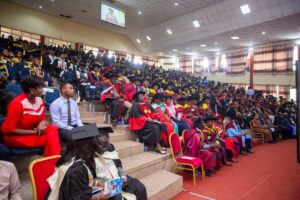
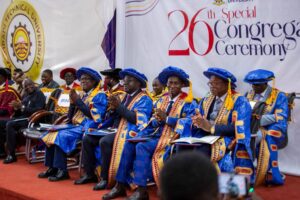
Addressing over 2,000 graduands at the 26th Special Congregation, stakeholders emphasized that inclusive education is not just a social responsibility—it is a strategic driver of national development.
Graduates were challenged to use their knowledge to promote innovation, solve societal problems, and champion inclusivity in their respective fields. Government also reaffirmed its commitment to easing financial burdens through policies like the “No Fees Stress” initiative, ensuring that no deserving student is denied education due to economic hardship.

Looking Ahead
While challenges such as staffing constraints remain, assurances were given that steps are being taken to address them. Meanwhile, the University continues to expand its academic offerings, with new programmes and competency-based training initiatives aimed at preparing students for a rapidly evolving global economy.
As Ghana pushes toward a more inclusive and equitable education system, the story of Takoradi Technical University sends a clear message:
when barriers are removed, excellence thrives—and everyone benefits.