

The Fisheries Commission has called on journalists across the country to take a more active role in promoting awareness and driving action to protect Ghana’s rapidly degrading marine environment.
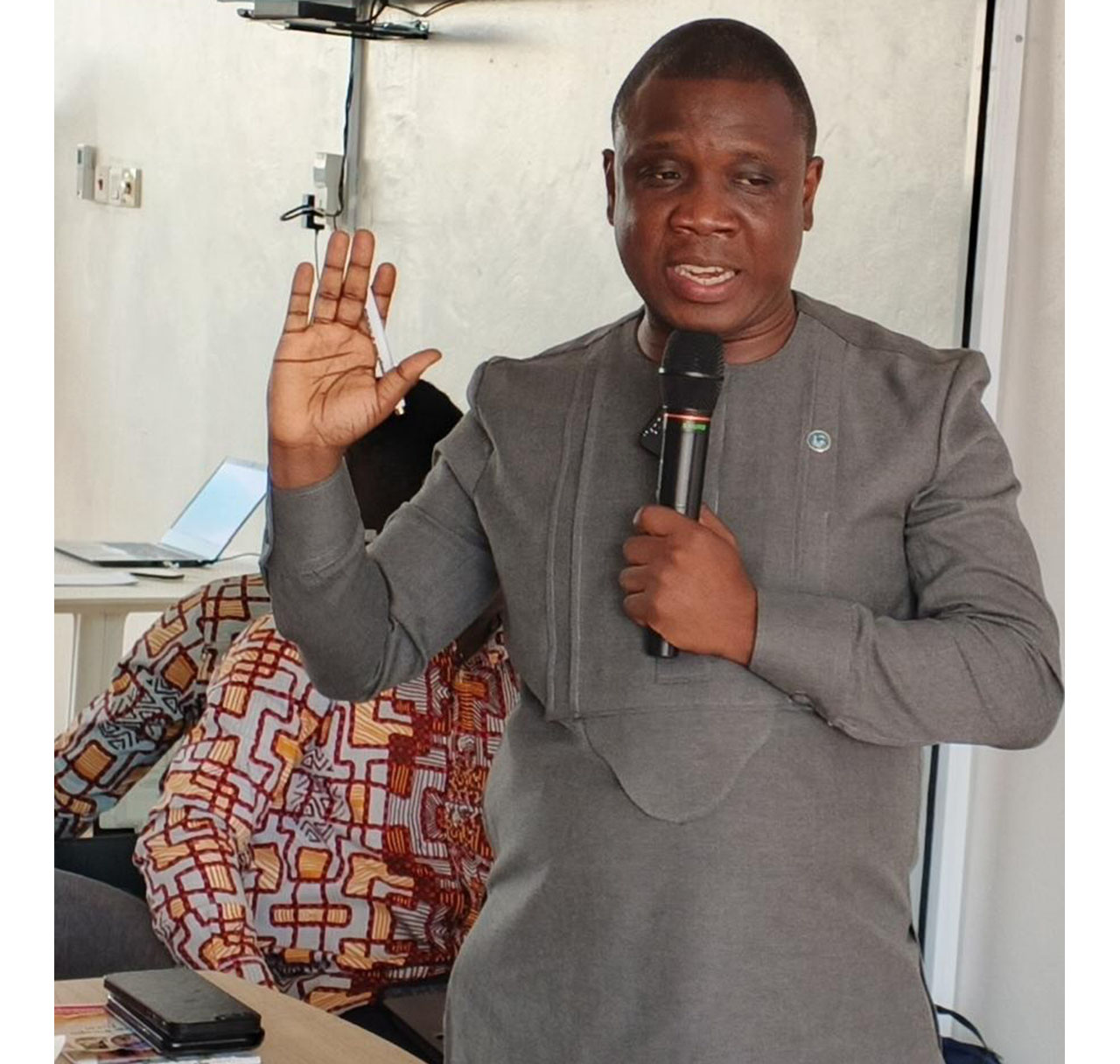
Speaking at a specialized media training in Kumasi, the Deputy Executive Director (Technical) of the Commission, Professor Berchie Asiedu, emphasized the critical role of the media in shaping public understanding and influencing policy support for marine conservation.
The training, held in Ahodwo on March 2, 2026, was organized under the Save Our Sea (SOS) Campaign by the Ghana Agricultural and Rural Development Journalists Association in collaboration with the Earth Journalism Network.
Growing Threats to Ghana’s Marine Ecosystem
Prof. Asiedu warned that Ghana’s marine resources are under increasing pressure from climate change, plastic pollution, and illegal, unreported and unregulated fishing—commonly known as IUU fishing.
He noted that these challenges are not only depleting fish stocks but also threatening the livelihoods of coastal communities that depend heavily on the sea for survival.
“The sustainability of our fisheries and the well-being of our coastal populations depend on urgent and coordinated action,” he stressed, urging journalists to spotlight these issues and keep them in the national conversation.
Stronger Laws to Protect the Ocean
As part of government efforts to address these challenges, Prof. Asiedu disclosed that the Ministry of Fisheries and Aquaculture Development is currently developing legislative instruments to operationalize the Fisheries and Aquaculture Act, 2025 (Act 1146).
The proposed regulations are expected to introduce stricter penalties for marine habitat destruction and strengthen enforcement mechanisms to curb illegal activities in Ghana’s waters.
Media Key to Achieving Global Conservation Targets
Prof. Asiedu highlighted that Ghana’s commitment to the global “30×30” biodiversity target—protecting 30 percent of land and oceans by 2030—cannot be achieved without strong media support.
He underscored the need for sustained public education, behavioral change, and accountability, all of which depend heavily on effective and responsible journalism.
Building Capacity for Impactful Reporting
The training aimed to equip journalists with the knowledge and tools needed to report more effectively on marine conservation, fisheries governance, and Ghana’s Blue Economy agenda.
Organizers believe that empowering journalists to tell compelling, accurate, and solutions-driven stories will help bridge the gap between policy and public understanding, ultimately driving collective action.
A Call to Action
With Ghana’s marine ecosystems at a critical point, stakeholders say the media must move beyond reporting to active advocacy—amplifying voices from coastal communities, exposing environmental violations, and promoting sustainable practices.
As the country works toward safeguarding its ocean resources, the role of journalists may prove decisive in shaping a future where both livelihoods and marine biodiversity can thrive.