

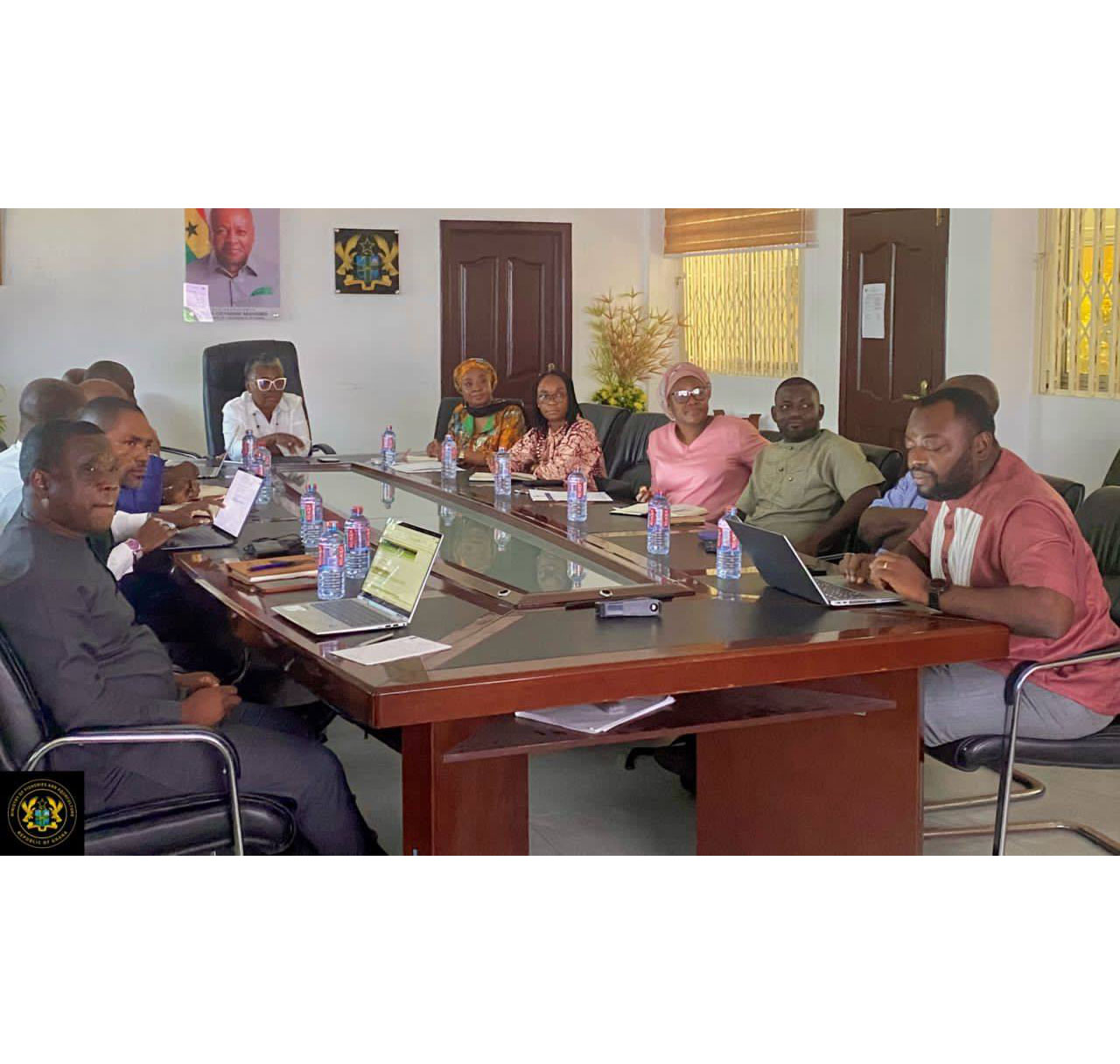
The Global Fisheries and Resilience Action (GFRA) has introduced a new initiative aimed at strengthening fisheries enforcement and safeguarding Ghana’s marine resources, as concerns grow over illegal fishing and declining fish stocks.
The Director of GFRA, Socrates Apetorgbor Segbor, presented the Integrated Enforcement for the Expanded Inshore Exclusive Zone and Transparency (IEZET) Project as a strategic intervention to support the implementation of the Fisheries and Aquaculture Act, 2025 (Act 1146).
Strengthening Enforcement to Protect Artisanal Fishers
According to Mr. Segbor, the project is designed to enhance monitoring, enforcement, and safety mechanisms within the fisheries sector, while supporting the operationalization of the Expanded Inshore Exclusive Zone (IEZ).
The IEZ policy is intended to reserve portions of Ghana’s coastal waters for artisanal fishers, helping to reduce pressure from industrial vessels and curb illegal, unreported, and unregulated fishing.
He explained that the IEZET Project will complement existing regulatory frameworks by improving transparency in policy implementation and strengthening systems that ensure compliance.
“Effective enforcement is key to restoring confidence in the sector and ensuring that our marine resources are used sustainably,” he noted.
Government Backs Initiative to Tackle Illegal Fishing
The Minister for Fisheries and Aquaculture Development, Emelia Arthur, welcomed the initiative and endorsed its focus on strengthening enforcement within the Expanded IEZ.
She emphasized that protecting artisanal fisheries is critical to securing livelihoods in coastal communities and ensuring long-term food security.
The Minister noted that stricter enforcement measures will serve as a deterrent to illegal fishing practices that continue to undermine Ghana’s fisheries sector.
Building Capacity for Sustainable Fisheries Management
Beyond enforcement, the IEZET Project will also support the full operationalization of the Anomabo Fisheries College, a key institution expected to drive capacity building and professional development within the sector.
Stakeholders believe that investing in training and institutional strengthening will help promote responsible fisheries management and improve compliance with regulations.
Engaging Communities for Lasting Impact
The project is also expected to deepen engagement with fishing communities, ensuring that those most affected by policy decisions are actively involved in protecting marine resources.
Advocates say community participation, combined with strong enforcement and media visibility, is essential to reversing the decline in fish stocks and sustaining Ghana’s Blue Economy.
A Call for Collective Action
With Ghana’s fisheries sector at a critical crossroads, experts stress that collaboration between government, civil society, and coastal communities is vital.
The IEZET Project represents a step forward—but its success, stakeholders say, will depend on sustained commitment, accountability, and public awareness to ensure that marine resources are protected for future generations.