


As Ghana marks another milestone in youth-driven enterprise and innovation, one name continues to stand out—not just for business success, but for influence on mindset and culture. Richard Nii-Armah Quaye, entrepreneur and President of RNAQ Holdings, is using his 41st birthday to spark a national conversation—one that goes beyond celebration and into the future of wealth creation.

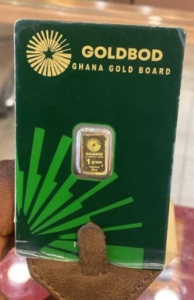
His decision to give away one thousand gold tablets to followers is more than a generous gesture. It is a strategic intervention—an attempt to rewire how young people perceive money, value, and investment.
A Symbol Beyond Luxury
Only a year ago, Quaye’s 40th birthday at Black Star Square captured national attention, featuring top personalities such as Osei Kwame Despite and Ernest Ofori Sarpong, alongside electrifying performances from Davido and Sarkodie.

But this year tells a different story.
The gold tablets—small yet powerful assets—are not just gifts. They are symbols. Symbols of stability. Symbols of value preservation. Symbols of a mindset Ghana urgently needs to embrace: invest before you spend.
The Real Problem: A Consumption-Driven Culture

Across Ghana, many young people are energetic, creative, and ambitious. Yet, a significant gap remains—financial literacy and investment exposure.
The dominant culture often leans toward consumption:
- Quick spending over long-term saving
- Lifestyle display over asset accumulation
- Short-term gratification over generational planning
This is where Quaye’s initiative becomes deeply relevant.
By introducing gold—a historically stable store of value—into the hands of the youth, he is subtly but powerfully shifting the narrative.

Why Gold Matters in This Conversation
Gold is not just a precious metal. It represents:
- Security in uncertain times
- A hedge against inflation
- A long-term store of value
For a young person receiving a gold tablet, the question is no longer “How do I spend this?” but “How do I grow this?”
That question alone can mark the beginning of a lifetime investment journey.
From Access to Mindset Shift

Through ventures like Quick Angels Limited and Bills Micro Credit, Quaye has already played a significant role in funding startups and supporting small businesses.
However, access to capital is only one side of the equation.
The other—and arguably more critical—is mindset.
This gold tablet initiative bridges that gap by:
- Making investment tangible
- Creating curiosity about asset ownership
- Encouraging delayed gratification
- Introducing the concept of wealth preservation early
Long-Term National Impact

If sustained and replicated, initiatives like this could have far-reaching effects on Ghana’s economy:
1. Increased Investment Culture
Young people begin to prioritize savings, stocks, and business investments.
2. Stronger Entrepreneurial Ecosystem
More individuals transition from consumers to creators and investors.
3. Reduced Financial Vulnerability
A culture of asset-building provides resilience during economic downturns.
4. Generational Wealth Building
Families begin to pass down assets—not just expenses.
Beyond Giving: Teaching Through Action
Through the RNAQ Foundation, Quaye has already demonstrated commitment to social impact with initiatives like the nationwide food bank.
But this gold tablet campaign introduces a new dimension—practical financial education through experience.
It moves away from theory and places value directly into the hands of the youth.
A Call to Action
This initiative should not end as a birthday headline.
It should inspire:
- Policymakers to integrate investment education into schools
- Financial institutions to create youth-friendly investment products
- Influencers and leaders to promote asset-building lifestyles
- Young people to rethink their relationship with money
Conclusion
In a time where economic pressures continue to rise, Ghana does not just need more money—it needs a new mindset.
Richard Nii-Armah Quaye’s gold tablet initiative is a bold reminder that true transformation begins with how people think about wealth.
Because in the end, the real value is not in the gold itself—
but in the culture it inspires.