


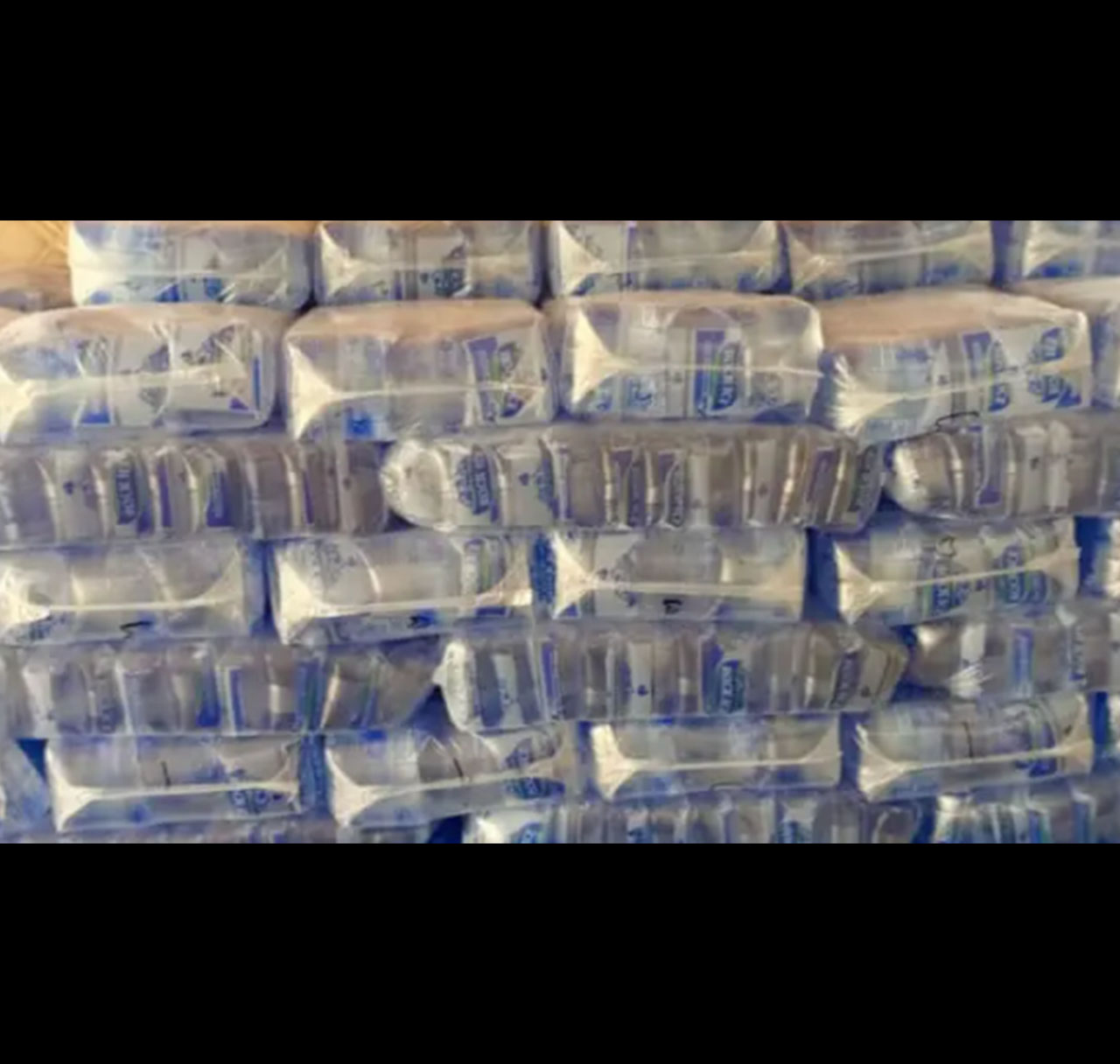
In a move that brings immediate relief to households across the country, the Minister for Trade, Agribusiness, and Industry, Elizabeth Ofosu-Adjare, has been widely commended for successfully negotiating the retention of sachet water prices.

The intervention followed a high-level stakeholder meeting in Accra involving producers and manufacturers, after the National Association of Sachet Water and Packaged Water Producers (NASPAWAP) had earlier announced a planned price increase. Through dialogue and consensus-building, the decision was reversed—ensuring that sachet water remains affordable for millions of Ghanaians.
A Critical Lifeline Protected
Sachet water is not a luxury in Ghana—it is a daily necessity. For many homes, commuters, and informal workers, it is the most accessible source of safe drinking water. Any increase in price would have placed an additional burden on already stretched household budgets.
By maintaining current prices, the government and industry stakeholders have demonstrated that public welfare can take priority, even amid global economic pressures.

Shared Responsibility, Collective Impact
Leaders within the industry have stepped up in a rare show of partnership. The Ghana Plastic Manufacturers Association, led by its president, Ebo Botwe, agreed to absorb the shocks of rising global costs to protect consumers.
Similarly, Magnus Nunoo of NASPAWAP described the outcome as “historic,” praising the Minister’s leadership and the government’s responsiveness.
This collaboration highlights a powerful model:
When government and industry align, the ordinary citizen benefits.
Policy That Puts People First

Minister Ofosu-Adjare emphasized that Ghana’s improving economic stability has made it possible for industries to cushion consumers. She also reaffirmed government’s commitment under John Dramani Mahama to create an enabling environment for businesses while ensuring that citizens feel the benefits of economic gains.
Her assurance was clear and direct:
“Sachet water sellers, retailers, and wholesalers’ prices remain the same.”
Beyond Prices: A Call for Sustained Action
While this decision is commendable, it also raises a broader national conversation:
- How can essential goods remain affordable long-term?
- What policies can sustain this balance between business survival and consumer protection?
- How do we strengthen local production to reduce dependency on global price fluctuations?
The presence of institutions such as the Ghana Standards Authority and the Ghana Revenue Authority at the meeting signals an opportunity to deepen reforms within the sachet water sector.
The Bigger Picture
This is more than a price adjustment—it is a people-centered policy decision. At a time when the cost of living remains a concern for many, keeping sachet water prices unchanged sends a strong message:
Access to basic necessities must remain protected.
As Ghana continues its economic recovery journey, this intervention stands as a reminder that leadership, collaboration, and timely action can deliver real impact where it matters most—at the level of the ordinary citizen.