

The Government of Ghana has launched a major three-year national project aimed at strengthening compliance with the World Trade Organization (WTO) Agreement on Fisheries Subsidies in a bold move to protect marine resources, improve fisheries governance, and secure the livelihoods of coastal communities.
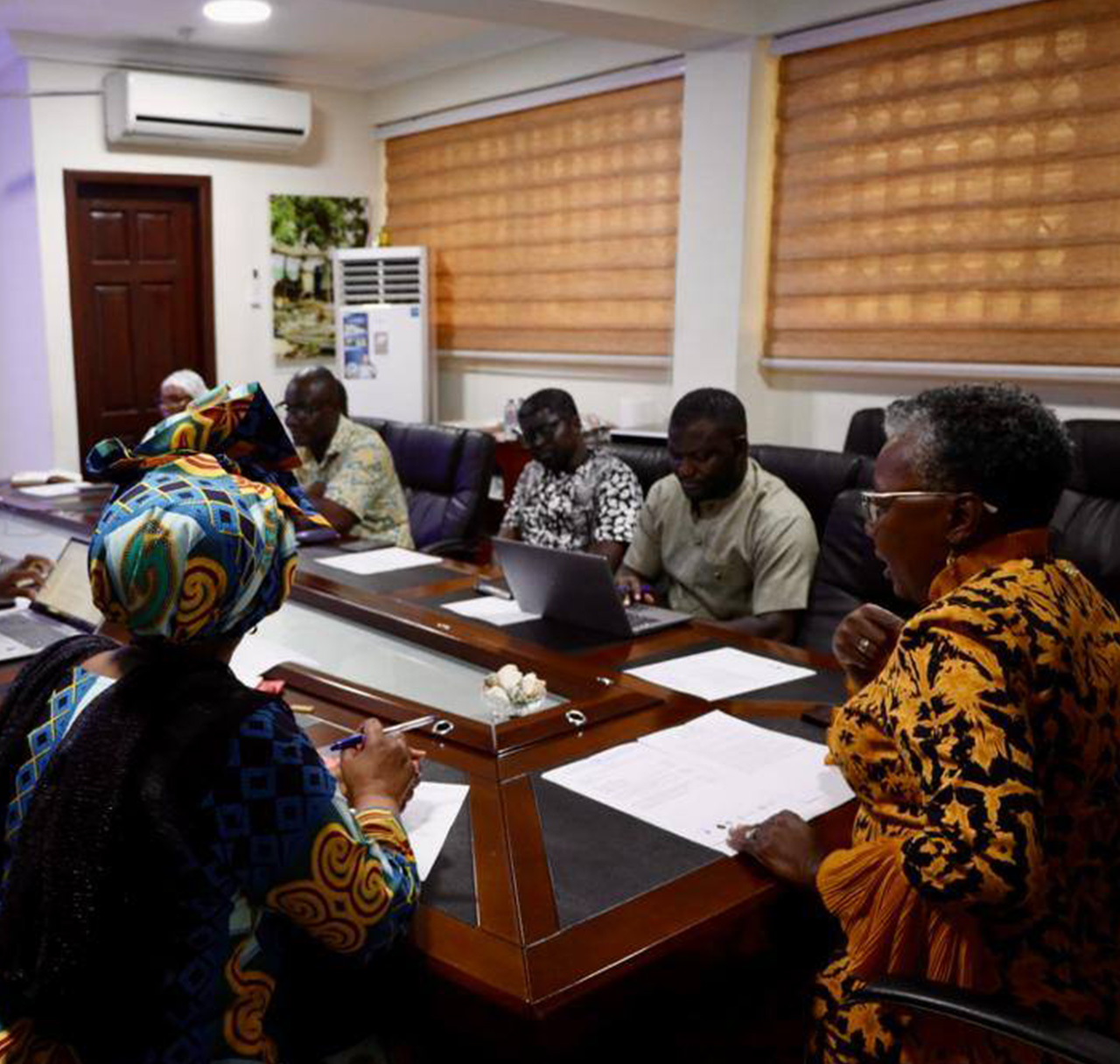
The initiative, unveiled at a high-level meeting in Accra on May 18, 2026, is being spearheaded by the Ministry of Fisheries and Aquaculture in collaboration with the Fisheries Commission. The project is funded through the WTO Fish Fund and implemented in partnership with the Global Fisheries and Resilience Action (GFRA).
The intervention is expected to strengthen transparency and accountability within Ghana’s fisheries sector while addressing harmful subsidies that contribute to overfishing and Illegal, Unreported, and Unregulated (IUU) fishing activities.
Speaking at the launch, the Minister for Fisheries and Aquaculture, Hon. Emelia Arthur, stressed the urgency of building effective compliance systems to safeguard the future of Ghana’s fisheries industry and marine ecosystem.
“Effective compliance is not just about meeting international obligations,” Hon. Arthur stated. “It is about ensuring that our fisheries remain productive, equitable, and sustainable for generations to come.”
The project introduces a comprehensive five-pillar implementation framework designed to balance economic growth with environmental sustainability and social protection.
Under the framework, authorities will monitor subsidies to prevent public funds from supporting harmful fishing practices that threaten fish stocks and marine biodiversity. The initiative will also focus on scientific monitoring of fish populations to prevent overexploitation and improve long-term sustainability.
Another key area of focus is the protection of livelihoods within vulnerable coastal communities that depend heavily on artisanal fishing for survival. Stakeholders say the project is expected to create a more resilient fisheries economy while promoting fairness and inclusion across the fisheries value chain.
Particular attention is also being given to women in the fisheries sector, especially fish processors and traders whose contributions remain critical to Ghana’s coastal economy. The initiative seeks to promote equitable access to opportunities and support systems for women and marginalized groups within the industry.
In addition, the governance component of the project aims to strengthen legal frameworks, institutional coordination, transparency, and regulatory oversight to improve enforcement and accountability within the sector.
To ensure immediate implementation, the first tranche of project funding has already been released to support the operationalization of compliance mechanisms and institutional activities.
An 11-member steering committee has also been inaugurated to oversee the implementation process. The committee is expected to hold monthly coordination meetings, facilitate stakeholder engagements, and conduct quarterly performance reviews to ensure Ghana remains on course in fulfilling its WTO obligations.
Fisheries experts and stakeholders have described the initiative as a timely intervention, particularly as coastal communities continue to face declining fish stocks, economic uncertainty, and the growing effects of illegal fishing practices.
Through the project, Ghana is positioning itself as a leader in sustainable fisheries governance within the West African sub-region while reaffirming its commitment to protecting marine ecosystems and securing the future of generations that depend on the sea for survival.