


Africa cannot continue to confront youth unemployment with yesterday’s educational model.
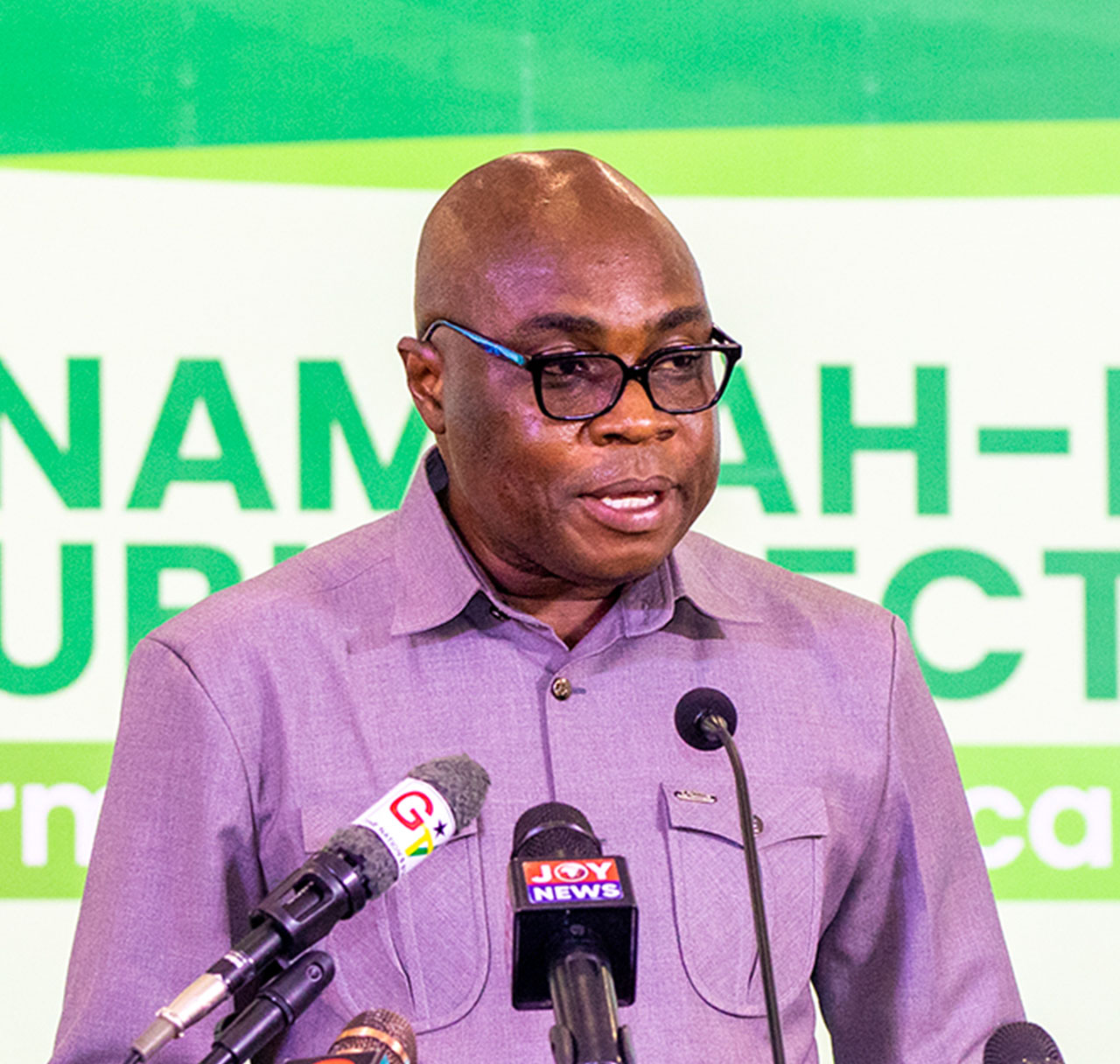
That was the unmistakable message from Stephen Jobson Mitchual, Vice-Chancellor of the University of Education Winneba, at the launch of the inaugural Jophus Anamuah-Mensah Annual Public Lecture on TVET Transformation in Africa.
His call for urgent reform in Technical and Vocational Education and Training should not be treated as another ceremonial speech. It should be understood as a policy alarm.
Across Africa, millions of young people leave school with certificates in hand but without the practical skills required by the labour market. This disconnect continues to deepen unemployment, frustrate ambition, and weaken economic productivity.
As Prof. Mitchual rightly noted, economies today are no longer built only on what people know. They are built on what people can do with what they know.
That truth must now shape education policy.
For too long, many education systems across the continent have rewarded theory over practice, prestige over productivity, and paper qualifications over real competence. The result is a growing mismatch between graduates and the demands of modern industry.
If Africa is serious about transforming its youthful population into an economic force, then Technical and Vocational Education and Training must move from the margins of policy discussion to the centre of national development planning.
A practical place to begin is the stronger integration of skilled artisans and master craftsmen into formal education systems.
Prof. Mitchual pointed to a model already gaining traction at the University of Education Winneba, where students are attached to artisans at worksites to gain hands-on experience. This is exactly the kind of reform Africa needs—one that bridges the gap between classroom theory and workplace reality.
The continent does not lack intelligence. What it needs is deliberate investment in systems that turn knowledge into employable skills, innovation, and enterprise.
The significance of the lecture also goes beyond education reform.
Held in honour of Jophus Anamuah-Mensah, the event was a reminder that meaningful institutions are built by leaders with vision, courage, and persistence. His contribution to Ghana’s Ghana Education Reform of 2002 remains a lasting example of how policy leadership can shape generations.
But honouring legacy must also inspire action.
The collaboration among the University of Education Winneba, University of Cape Coast, Accra Technical University, African Institute for Mathematical Sciences Ghana, and other partners shows that the institutional will exists.
What is needed now is policy boldness.
Governments, universities, industry leaders, and development partners must work together to redesign education systems around competence, relevance, and productivity.
Africa’s young population is often described as its greatest asset.
That will only be true if the continent invests in turning youthful potential into practical capability.
The time has come to stop producing graduates for certificates alone and start preparing young people for work, innovation, and transformation.