


Ghana’s democratic future depends not only on today’s leaders, but on how intentionally the country prepares the next generation for public service.
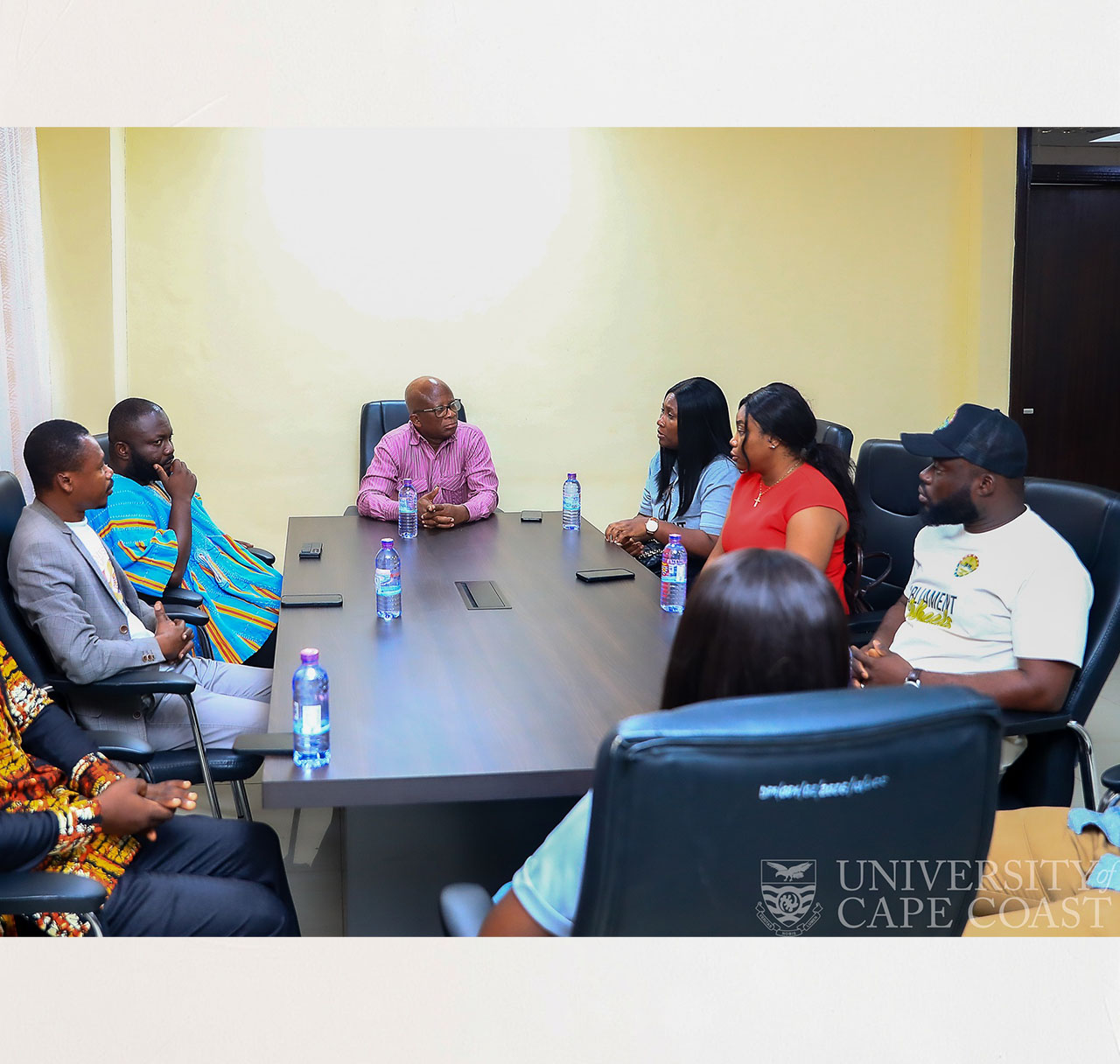
That is why the recent engagement between the Parliament of Ghana Department of Public Engagement and the University of Cape Coast over the proposed Student Parliament Charter deserves national attention.
The proposed Charter seeks to provide a clear framework for student parliaments across tertiary institutions affiliated with Parliament. More importantly, it seeks to create a credible and structured platform where young people can debate ideas, shape policy thinking, and contribute meaningfully to national development.
Director of Public Engagement, Effia Tenge, made it clear that this initiative is about more than student leadership. It is about giving young people a voice in governance design and exposing them early to the legislative processes that shape the nation.
This is a step Ghana must not take lightly.
At a time when youth participation in governance is often discussed more than it is genuinely enabled, formalising student parliaments offers a practical pathway for nurturing leadership, civic responsibility, and democratic culture.
The University of Cape Coast has already shown commendable commitment to this cause.
Acting Director of Public Affairs, Kwabena Antwi-Konadu, highlighted the university’s sustained support for student parliamentary activities, including giving student parliamentarians a regular platform on ATL FM to engage public discourse every Saturday.
Yet there is a critical opportunity that now requires urgent attention.
The university has earmarked land for an amphitheatre to serve as the UCC House of Parliament—a practical learning space where students can sharpen debate, leadership, and legislative skills. Unfortunately, the project remains stalled because of inadequate resources.
This is where Parliament of Ghana must move beyond consultation and demonstrate concrete institutional support.
If Ghana is serious about building future legislators, policy thinkers, and responsible citizens, then investing in youth-centred democratic spaces should not be optional.
Supporting the proposed amphitheatre at University of Cape Coast would not merely be an infrastructure project. It would be an investment in democratic culture, leadership development, and national progress.
The proposed Student Parliament Charter offers an important foundation. But for its impact to be truly lasting, it must be matched with practical support, institutional collaboration, and deliberate investment in the young voices that will shape Ghana’s future.
The message is simple: youth participation must move from policy conversation to practical commitment.