
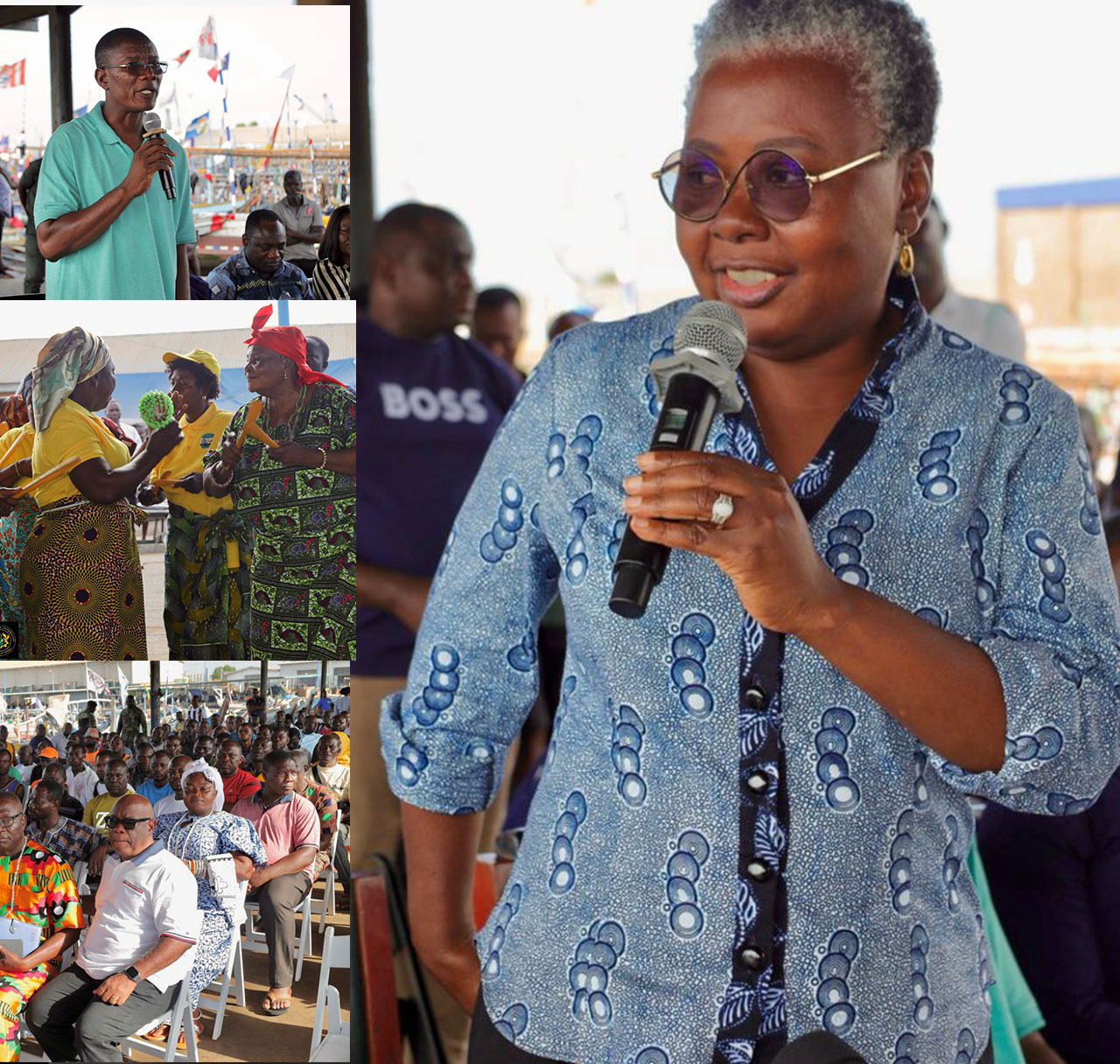
Ghana is set to enforce its 2026 Closed Fishing Season for marine fishing fleets, as authorities intensify efforts to reverse the alarming decline in the country’s fish stocks and secure livelihoods for future generations.
The Ministry of Fisheries and Aquaculture Development, in collaboration with the Fisheries Commission, says the seasonal ban—backed by law under the Fisheries and Aquaculture Act, 2025 (Act 1146)—is a critical intervention to allow fish populations to recover.
A Necessary Sacrifice for Survival
According to the Ministry, the decision is grounded in scientific evidence and reflects both national priorities and global best practices in fisheries management.
Industrial trawlers will halt operations for two months, from July 1 to August 31, 2026, while semi-industrial vessels will observe a one-month closure from July 1 to July 31.
While artisanal canoe fishers are exempt, authorities stress that this does not grant a free pass for illegal practices. They are expected to comply with traditional fishing holidays and existing regulations.
The message is clear: without urgent action, Ghana risks long-term collapse of its marine resources.
Illegal Fishing Still a Major Threat
Despite years of intervention, illegal, unreported, and unregulated (IUU) fishing continues to undermine conservation gains.
The Ministry has issued a firm warning against destructive practices such as light fishing, use of chemicals, and explosives—methods that not only destroy marine ecosystems but also threaten the very survival of coastal communities.

“This is not just about enforcement; it is about survival,” a fisheries official noted, emphasizing that non-compliance will attract strict sanctions.
Tougher Enforcement, Wider Collaboration
To ensure compliance, the Fisheries Enforcement Unit, working with other state agencies, will intensify surveillance across landing beaches and fishing zones nationwide.
Authorities are also rallying Metropolitan, Municipal and District Assemblies, traditional leaders, and fisher associations to deepen awareness and drive community-level compliance.
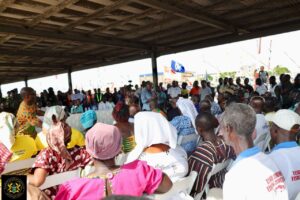
The approach signals a shift from mere regulation to shared responsibility—where communities play a central role in protecting their own economic future.
Beyond the Closed Season: A Bigger Conservation Agenda
The closed season forms part of a broader strategy to rebuild Ghana’s fisheries sector.
In a significant move, government is preparing to officially declare the country’s first Marine Protected Area at the Greater Cape Three Points on April 14, 2026—a landmark step toward long-term marine conservation.
Experts believe such interventions, if strictly enforced, could gradually restore fish stocks, improve catches, and stabilize incomes across the fishing value chain.
The Stakes Could Not Be Higher
Fishing remains a lifeline for millions of Ghanaians, particularly in coastal communities. But declining catches, rising costs, and environmental degradation are putting increasing pressure on the sector.

The 2026 Closed Fishing Season, therefore, is more than a policy directive—it is a test of national commitment to sustainability.
The Ministry is urging all stakeholders—from chief fishermen to industry leaders—to support the initiative, warning that the cost of inaction could be irreversible.

As Ghana takes this critical step, the question remains: will compliance be strong enough to secure the future of the country’s fisheries?
SOURCE:
Public Relations Unit
Ministry of Fisheries and Aquaculture