

Ghana is on the brink of a historic public health victory, recording a dramatic 98 percent reduction in malaria deaths—from 3,259 in 2011 to just 52 in 2025. But health leaders warn that the final stretch toward elimination will require stronger national commitment, community action, and sustained investment.
At a national durbar in Accra to mark World Malaria Day 2026, the Director-General of the Ghana Health Service, Dr. Samuel Kaba Akoriyea, described the milestone as proof that elimination is within reach.
Progress That Cannot Stall
Delivering remarks on his behalf, Dr. Franklin Asiedu-Bekoe highlighted that child malaria deaths have dropped by 76 percent in just three years—an achievement driven by improved interventions, including the rollout of malaria vaccines.
With the introduction of RTS,S and R21 vaccines into routine immunisation, Ghana is seeing growing protection among children, with first-dose coverage now at 78.3 percent.
Yet, despite these gains, health officials caution against complacency.
“Now we can. Now we must,” he stressed, echoing the global theme and warning that delays in action could reverse hard-won progress.
More Than a Health Issue
Malaria remains one of Ghana’s most pressing public health and economic challenges, affecting productivity, education, and household incomes.
Experts say eliminating the disease is not just about saving lives—it is critical to national development.
Government’s proposed End Malaria Council and the Free Primary Health Care initiative are being positioned as key drivers to sustain momentum and deepen local ownership of the fight.
Communities Hold the Key
At the frontline of the campaign, local action is being emphasised as the difference-maker.
The Greater Accra Regional Director of Health Services, Dr. Robert Amesiya, called for stronger community responsibility—urging households to prioritise sanitation and prevention.
He also challenged health workers to uphold strict standards by testing before treatment and ensuring patients complete prescribed care.
Protecting vulnerable groups—especially pregnant women and children under five—remains a top priority.
Global Backing, Local Responsibility
In a message of solidarity, Dr. Fiona Braka of the World Health Organization noted that malaria elimination is no longer a distant dream.
She pointed to Ghana’s leadership in deploying vaccines and next-generation mosquito nets, while urging stronger use of data, increased domestic financing, and a primary healthcare-led approach.
A National Call to Action
Adding her voice, National Malaria Champion Oheneyere Gifty Anti called for a whole-of-society response.
She urged government to prioritise funding, the private sector to see malaria control as an economic investment, and families to take simple but life-saving actions—sleeping under treated nets and ensuring children are vaccinated.
The Final Mile
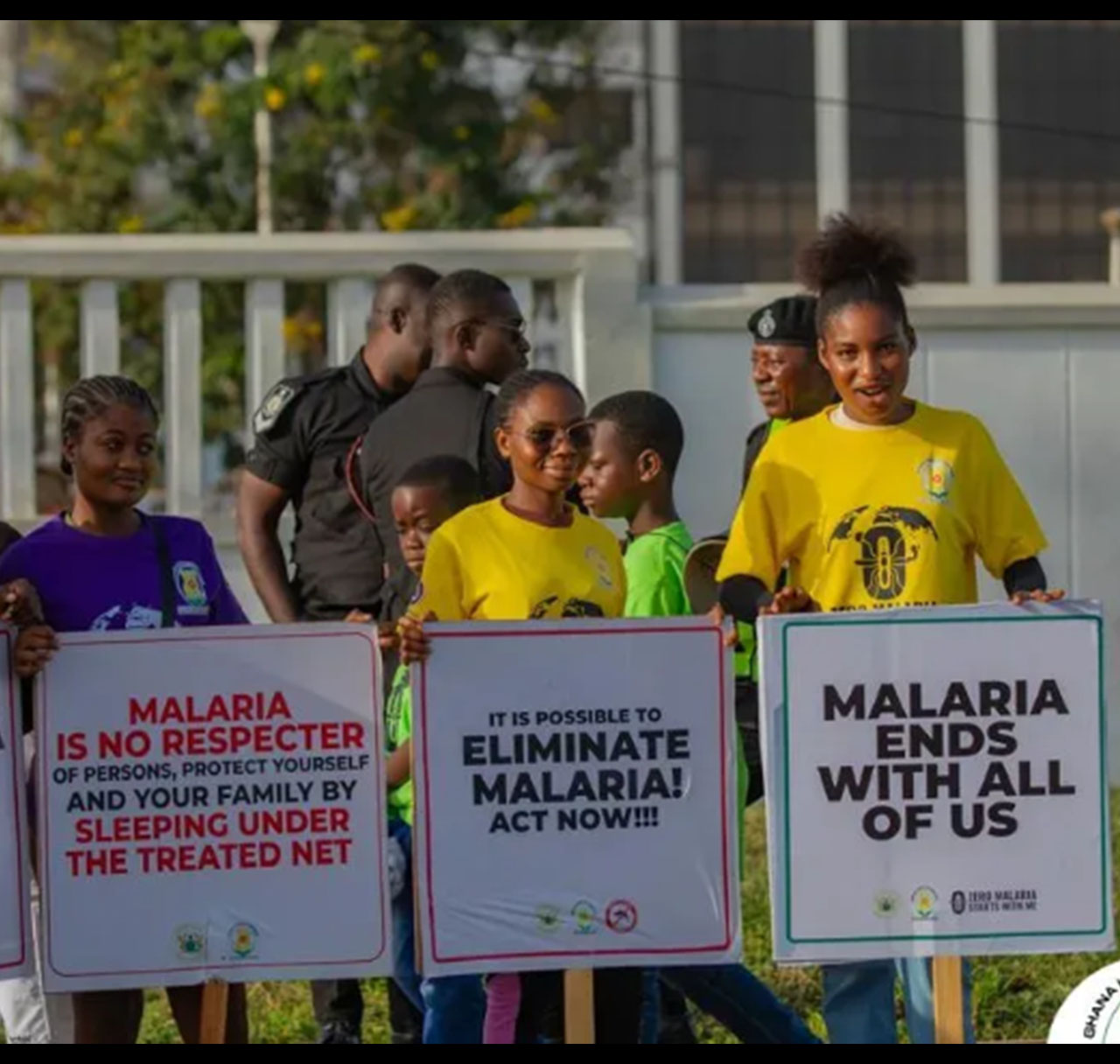
The 2026 commemoration—marked by a health walk through Madina and a durbar at the University of Ghana—brought together stakeholders across sectors in a unified call: finish the fight.
Ghana’s progress shows what is possible. But the final mile will demand urgency, accountability, and collective effort.
The message is clear—malaria can be eliminated. The question now is whether Ghana will act fast enough to make it happen.