
Ghana is poised to take a historic step in ocean conservation and fisheries management as the Government prepares to officially declare the Greater Cape Three Points Marine Protected Area (GCTPMPA), covering 703.86 square kilometres.
This landmark initiative, spearheaded by the Ministry of Fisheries and Aquaculture, is being undertaken in accordance with Section 39 of the Fisheries and Aquaculture Act, 2025 (Act 1146). The creation of the MPA is part of Ghana’s effort towards achieving the 30X30 target of the Global Biodiversity Framework.

In a major milestone, the Vice President of the Republic of Ghana, H.E. Naana Jane Opoku-Agyemang, is scheduled to formally declare the Marine Protected Area on Tuesday, 14 April 2026, in the Greater Cape Three Points area of the Western Region.
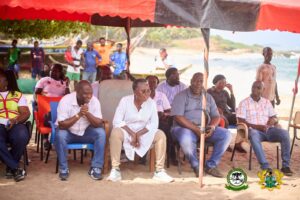
The event is expected to bring together government officials, development partners, traditional authorities, and coastal community representatives, marking a significant turning point in Ghana’s efforts to restore its marine ecosystems.
Understanding the Marine Protected Area
At its core, a Marine Protected Area (MPA) is a clearly defined zone of the ocean where human activities are carefully managed to protect marine ecosystems, restore biodiversity, and support sustainable use of marine resources.
The Greater Cape Three Points area is widely recognized as one of Ghana’s most ecologically and biologically significant coastal and marine environments. It hosts:
Critical fish breeding and nursery grounds, essential for replenishing fish stocks
Coastal wetlands and mangrove ecosystems which provide habitat for marine species and protect coastlines from erosion
Diverse seabed and reef systems, supporting marine biodiversity and ecological balance
However, years of overfishing, illegal practices, pollution, and climate change have significantly degraded these ecosystems, threatening both marine lifeand the livelihoods of communities that depend on them.
How the MPA Will Work
Contrary to public misconceptions, fishing will not be totally banned in the MPA. Instead, it will operate through a zoning scheme that balances conservation with sustainable use.
Key features of the MPA include:
Core zone: Highly sensitive areas where activities are restricted to allow ecosystems to recover
multiple use zones: Areas where regulated fishing and other livelihood activities will continue
Enhanced monitoring and enforcement: Measures to combat illegal, unreported, and unregulated (IUU) fishing
Ongoing scientific research: Data-driven management to track ecosystem recovery and inform policy decisions
Complementing Existing Fisheries Measures
The Marine Protected Area (MPA) forms part of a broader national strategy to rebuild Ghana’s fisheries sector, complementing existing interventions such as the closed fishing season, 3-year moratorium, ministerial trawl gear directive, reclassification and registration of all fishing crafts.
While all these measures provides a temporary conservation measure, the MPA ensures long-term protection of critical habitats, supporting the sustained recovery and resilience of marine fisheries resources over time.
Communities at the Heart of the Initiative
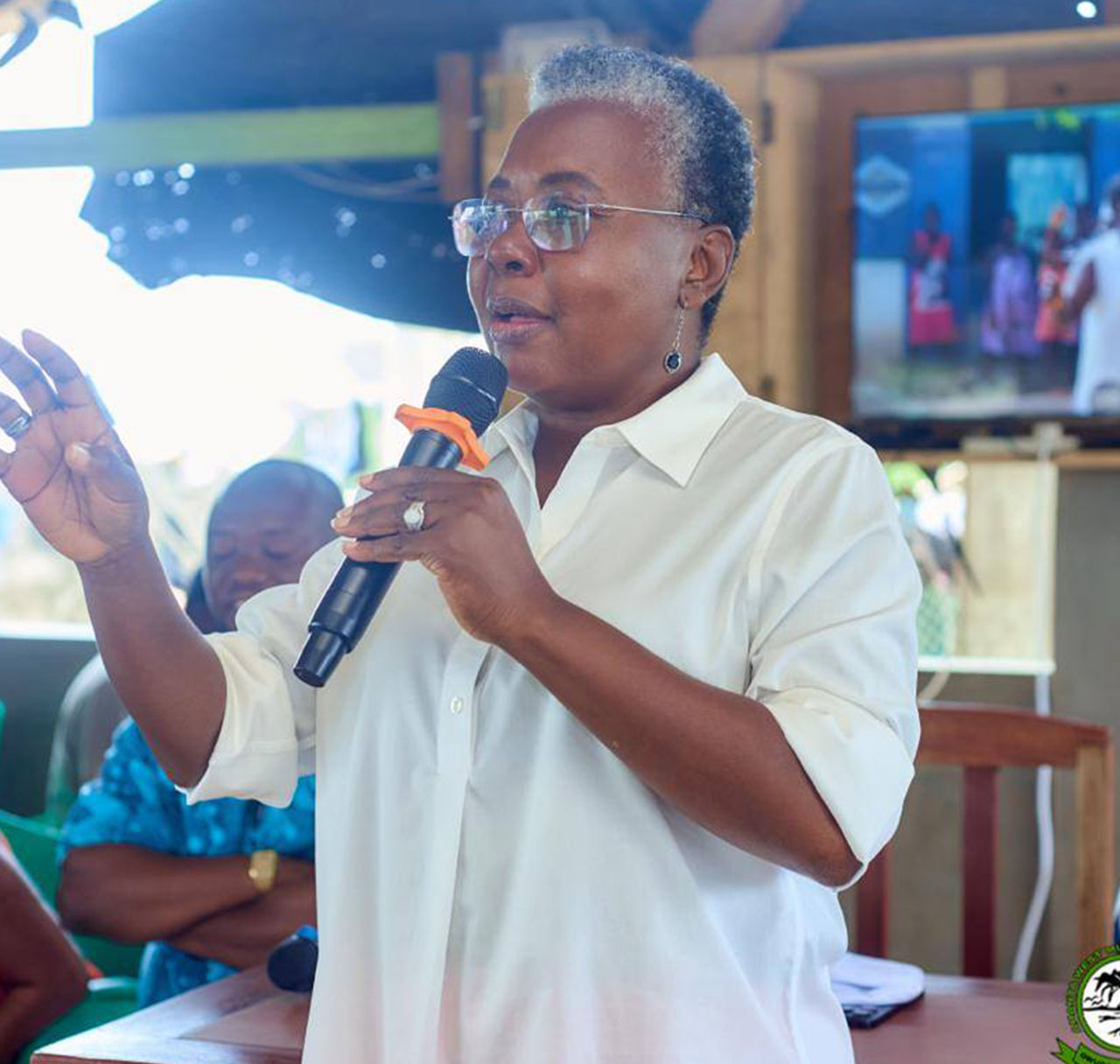
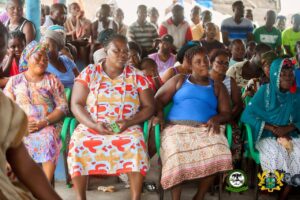
A key pillar of the GCTPMPA is its community-centered approach. Coastal communities are actively involved in the planning and implementation process, ensuring that local knowledge and livelihoods are fully considered. Government will co-manage the MPA with the coastal communities and other relevant stakeholders.
Over time, the initiative is expected to contribute to:
Increased fish catches as stocks recover
More stable incomes for fishers, processors, and traders
Improved food security
Opportunities in eco-tourism and marine conservation
A Defining Moment for Ghana’s Blue Economy
The upcoming declaration by the Vice President signals a bold national commitment to sustainable ocean governance. It represents a shift from short-term exploitation to long-term stewardship of marine fisheries resources.
As Ghana prepares for this landmark event in April 2026, the message is clear: protecting the ocean is not just an environmental priority, it is an economic and social imperative as well.
For coastal communities and the nation as a whole, the Greater Cape Three Points Marine Protected Area offers a renewed promise, a healthier ocean that will continue to sustain livelihoods for generations to come.
This is an initiative of the Government of Ghana supported by a coalition of global and local partners, including Bloomberg Philanthropies, the Ocean Initiative, Oceans 5, the High Ambition Coalition for Nature and People, UK Aid, Hans Wilsdorf Foundation and the Government of Norway, the ex-while USAID Ghana Fisheries Recovery Activities and Hen Mpoano.
These partnerships provide critical technical expertise and financial support to ensure effective implementation.
source:Fisheries GH