


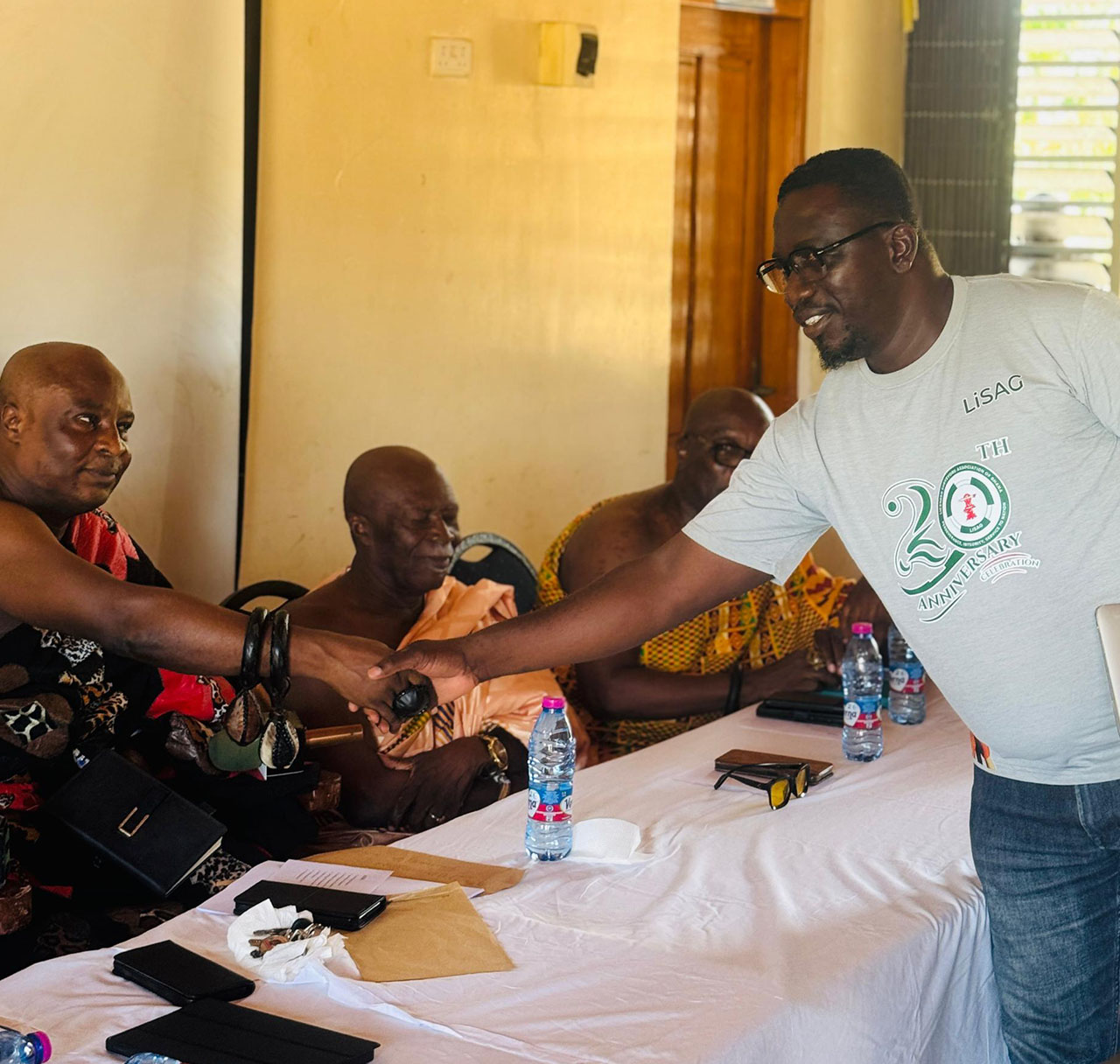
Traditional leaders continue to play a pivotal role in land governance in Ghana, influencing how land is accessed, managed, and even contested across the country.
According to a policy brief prepared by Engr. Dr. E. A. Gyamera, nearly 70 to 80 percent of land in Ghana falls under customary ownership, placing chiefs, family heads, and other traditional authorities at the heart of land administration.
At the core of their responsibility is custodianship. Traditional leaders hold land in trust for their people, including future generations, rather than owning it personally. They are responsible for allocating land to individuals, families, and investors, while ensuring that its use aligns with customary norms and practices. This system remains a defining feature of Ghana’s dual land tenure structure, where customary and statutory systems coexist.
Beyond custodianship, traditional authorities play a significant role in land allocation and documentation, particularly in rural and peri-urban areas. They oversee land transactions, negotiate with developers, and issue customary land documents. The establishment of Customary Land Secretariats in several communities has further strengthened this function by improving documentation and record keeping.
Traditional leaders also serve as the first point of resolution in many land disputes. Using customary law and local knowledge, they mediate conflicts between families and communities. This approach is often faster, more affordable, and culturally accepted, although some decisions may lack formal legal backing if not integrated into the judicial system.
In addition, they enforce customary land laws by preventing unauthorized land sales, sanctioning misuse, and protecting communal resources such as forests and sacred sites. These efforts contribute to maintaining order and promoting sustainable land use.
The role of traditional authorities extends into development and investment. They act as key gatekeepers, releasing land for infrastructure projects and negotiating compensation with government agencies and private developers. Their involvement is often critical for urban expansion, agricultural investments, and real estate development.
They also generate revenue through land transactions, including customary fees, ground rent, and lease payments, which support traditional institutions and community development initiatives.
Increasingly, traditional leaders are working with state institutions such as the Lands Commission and the Office of the Administrator of Stool Lands. These collaborations focus on land registration, revenue sharing, and the implementation of key policies such as the Land Act, 2020 (Act 1036).
Despite their importance, traditional land governance systems face several challenges. These include multiple sales of land, boundary disputes, inadequate record keeping, political interference, and increasing commercialization. Environmental pressures such as illegal mining, widely known as galamsey, and rapid urbanization are also testing the effectiveness of traditional leadership.
To address these concerns, ongoing reforms aim to modernize customary land administration. Efforts such as the digitization of land records, strengthening of Customary Land Secretariats, and capacity building for traditional leaders are expected to improve transparency and accountability.
Engr. Dr. Gyamera emphasizes that while traditional leaders remain indispensable to land governance in Ghana, stronger integration with formal systems and improved oversight will be key to achieving sustainable and equitable land management.