

Stakeholders within Ghana’s fisheries value chain are calling for urgent interventions to protect livelihoods, improve fish quality, and strengthen sanitation standards at landing beaches across the country.
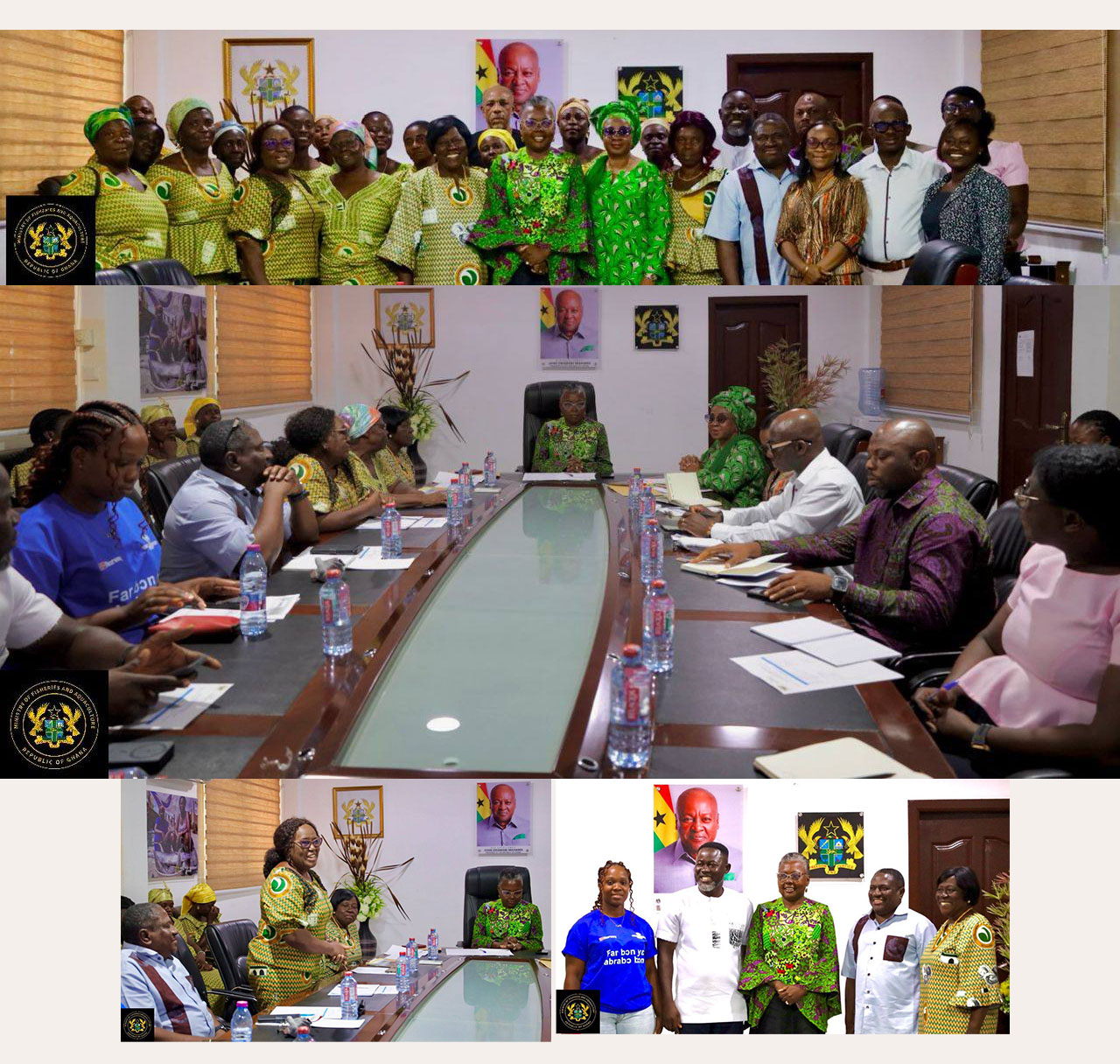
This came to light during the Annual Forum organized this week by the Ministry of Fisheries and Aquaculture in collaboration with the Development Action Association (DAA), where fish processors and oyster farmers engaged government officials on challenges affecting their daily operations and economic survival.
Participants at the forum expressed deep concern over the continued practice of light fishing, describing it as a major threat to Ghana’s fisheries sector and marine ecosystem. According to members, illegal fishing methods are reducing fish stocks, affecting incomes, and undermining efforts to ensure sustainable fishing practices.
The associations also appealed to the Ministry to provide test kits that would enable processors and traders to examine the wholesomeness and quality of landed fish before processing and distribution. They noted that access to such tools would help improve food safety standards and protect consumers from unhealthy fish products.
Concerns were equally raised about poor hygiene conditions at some landing beaches, with members urging authorities to improve sanitation infrastructure and enforce proper fish handling practices to safeguard public health.
In addition, fish processors appealed to the Ministry to consider them in the distribution of subsidized wire mesh and basins to support processing activities, reduce operational costs, and improve productivity among women and small-scale processors who dominate the sector.
The forum also witnessed the first participation of CEWEFIA, which officially introduced the association to the Ministry. Both DAA and CEWEFIA are made up of fish processors and oyster farmers who play critical roles in Ghana’s fisheries value chain, food security, and local economic development.
Receiving the associations, Emelia Arthur assured participants that the Ministry remains committed to addressing the concerns raised, particularly the fight against light fishing and other illegal fishing practices threatening the sustainability of the industry.
The Minister also highlighted the implementation of the 2026 Closed Fishing Season under Section 47 of the Fisheries and Aquaculture Act, 2025 (Act 1146), describing it as an important step toward replenishing fish stocks and ensuring long-term sustainability within Ghana’s marine fisheries sector.
Under the 2026 closed season arrangements:
- Industrial trawlers will observe a two-month closure from 1st July to 31st August 2026.
- Semi-industrial inshore vessels will observe a one-month closure from 1st to 31st July 2026.
- Marine canoe fisheries using outboard motors have been exempted to help protect local livelihoods, although operators are expected to comply with existing regulations and community-based fishing holidays.
Fisheries advocates say continuous dialogue between government and fishing communities remains essential in promoting sustainable fishing, protecting livelihoods, empowering women processors, and ensuring food security for future generations in Ghana.