

At a time when declining fish stocks and coastal livelihood pressures continue to threaten Ghana’s blue economy, the government is intensifying efforts to reset the country’s fisheries sector through stronger partnerships and community-led management.
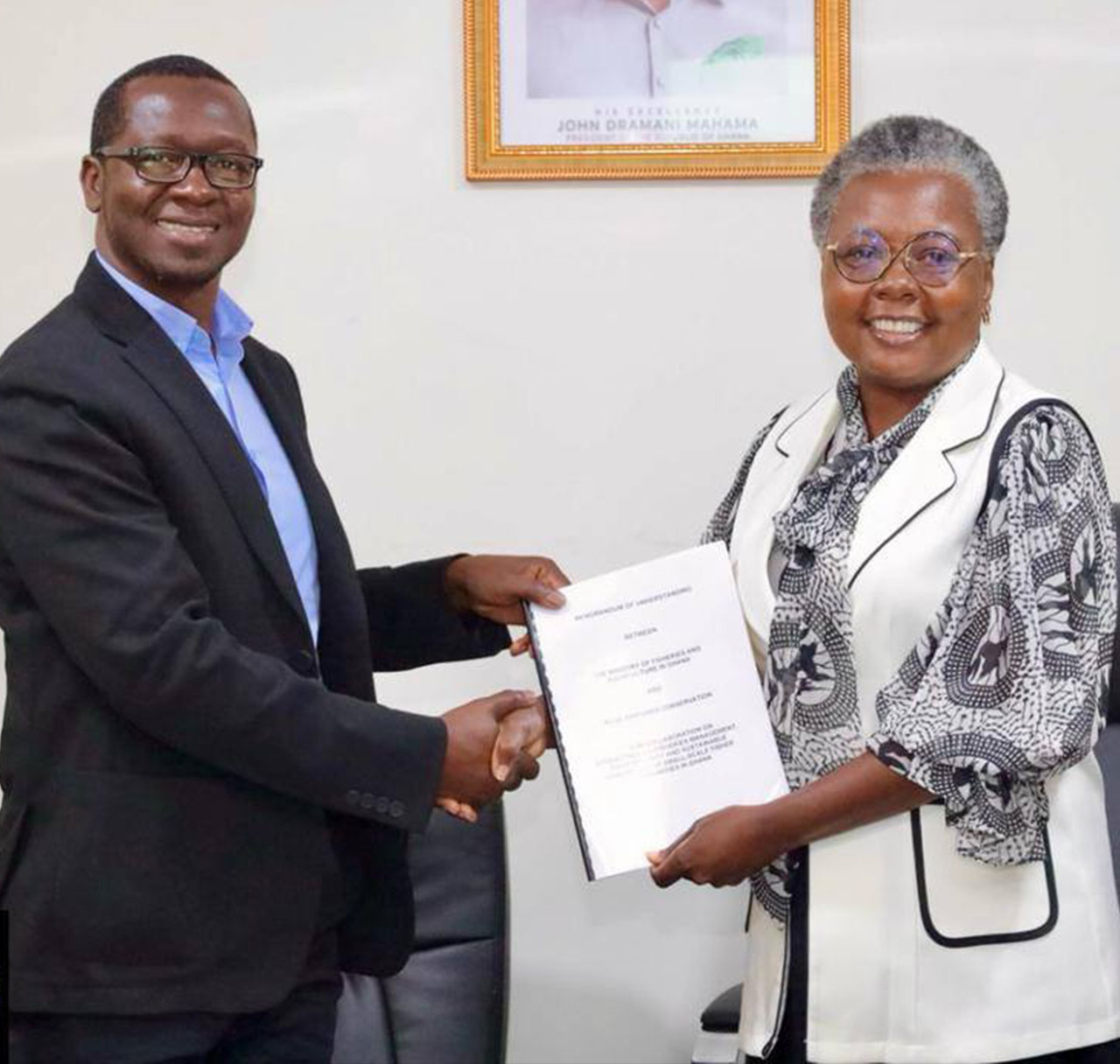
The Ministry of Fisheries and Aquaculture, in collaboration with Blue Ventures Conservation, has convened a high-level multi-stakeholder engagement workshop in Accra, bringing renewed focus to sustainable fisheries governance and the future of coastal communities.
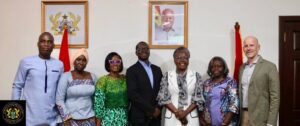
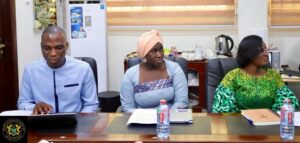
Held at the La Palm Royal Beach Hotel, the forum assembled a broad coalition of actors—industry players, researchers, policymakers, and development partners—to align strategies and deepen collaboration toward restoring Ghana’s marine resources.
A Sector at a Turning Point
Ghana’s fisheries sector supports millions of livelihoods and remains a critical source of protein nationwide. Yet overfishing, weak enforcement, and climate pressures have steadily eroded fish stocks, raising concerns about long-term sustainability.
The latest engagement signals a shift from fragmented interventions to a more coordinated, inclusive approach—one that places coastal communities at the center of decision-making.

Community Power at the Core
Blue Ventures Conservation, known for its work in rebuilding tropical fisheries, is championing grassroots-driven solutions across West Africa. Its model prioritizes empowering fishing communities through improved monitoring, surveillance, and data collection, while strengthening transparency and governance systems.
Beyond conservation, the organisation is investing in economic resilience—supporting savings schemes, alternative livelihoods, food security, and nutrition. A strong emphasis is also placed on amplifying local voices, particularly those of women, who play a critical yet often under-recognised role in the fisheries value chain.
Speaking at the event, Ebrima Saidy praised Ghana’s leadership in the sector, noting that progress made so far demonstrates the country’s readiness to achieve even greater milestones. He called for deeper alignment among stakeholders to ensure that interventions deliver lasting impact.
Government Signals Policy Shift
Delivering the keynote address, Emelia Arthur underscored a major policy direction: co-management.
According to her, sustainable fisheries management can no longer be driven by government alone. Instead, it requires shared responsibility among the state, development partners, and—most importantly—local communities whose livelihoods depend on marine resources.
She outlined five priority areas shaping the government’s agenda:
- Strengthening governance and enforcement mechanisms
- Improving data systems for informed decision-making
- Empowering communities, especially women and youth
- Protecting marine ecosystems
- Promoting sustainable livelihoods beyond fishing
A Call to Action
The Minister framed the initiative as more than a policy dialogue—it is a national call to action.
Government, she said, will provide leadership and direction. Development partners must align their interventions with national priorities. Communities, on the other hand, are expected to embrace stewardship and actively participate in safeguarding marine resources.

This shared responsibility model is expected to not only rebuild fish stocks but also enhance resilience in coastal communities that have long borne the brunt of environmental and economic shocks.
Toward a Thriving Blue Economy
Stakeholders at the workshop expressed optimism that stronger coordination and community ownership could reverse years of decline in the sector. The engagement marks the beginning of what officials describe as a “critical journey” toward restoring Ghana’s fisheries and unlocking the full potential of the blue economy.
If sustained, this collaborative approach could redefine how natural resources are managed in Ghana—balancing ecological protection with economic opportunity, and ensuring that the benefits of the sea are preserved for generations to come.